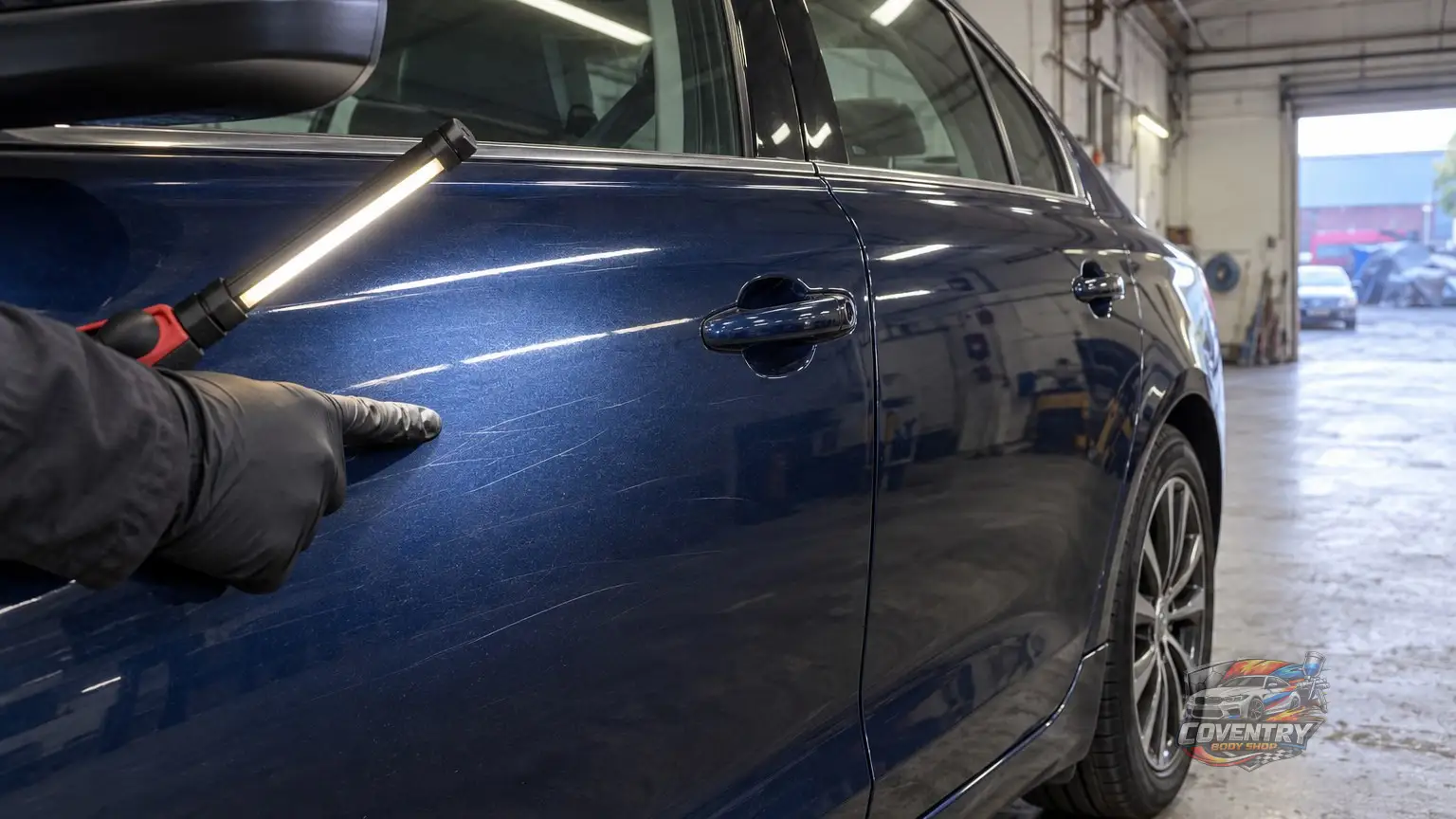
Understanding Clear Coat Damage
Clear coat damage is a common issue faced by many vehicle owners, often resulting from environmental factors, minor abrasions, or improper cleaning techniques. Understanding the nature of clear coat damage is crucial before considering repair options. The clear coat is the transparent layer that protects the coloured paint beneath, providing gloss and depth to your vehicle's finish. When this layer is compromised, it can lead to dullness, peeling, or even exposure of the base paint.
Common causes of clear coat damage include:
- UV Exposure: Prolonged exposure to sunlight can cause the clear coat to oxidise and degrade.
- Environmental Contaminants: Bird droppings, tree sap, and road salt can eat away at the clear coat if not promptly removed.
- Improper Washing Techniques: Using abrasive materials or harsh chemicals can scratch or wear down the clear coat.
Recognising these factors early can help in deciding whether a simple repair is feasible or if a full repaint is necessary. In many cases, minor clear coat damage can be addressed without resorting to a complete respray, saving both time and money.
Assessing the Extent of Damage
Before diving into repair methods, it's essential to accurately assess the extent of the clear coat damage. This assessment will guide the repair process and determine whether a repaint is avoidable. In our workshop, we follow a systematic approach:
- Visual Inspection: We begin with a thorough visual inspection under proper lighting to identify the severity and spread of the damage.
- Tactile Examination: Running a finger gently over the affected area can reveal roughness or peeling, indicating deeper issues.
- Thickness Measurement: Using a paint depth gauge, we measure the paint depth to help assess whether there's enough material for correction.
If the damage is superficial, such as minor scratches or slight dulling, repair without repainting is often possible. However, if the clear coat is peeling or the base paint is exposed, more extensive work may be required.
Repair Techniques for Clear Coat Damage
Once the damage is assessed, we can proceed with the appropriate repair techniques. In our bodyshop, we employ several methods depending on the severity of the damage:
- Polishing and Buffing: For minor scratches and oxidation, a combination of polishing compounds and buffing pads can restore the clear coat's shine. This process involves carefully selecting the right compound grit to avoid further damage.
- Wet Sanding: In cases where the damage is slightly deeper, wet sanding with fine-grit sandpaper can level the surface. This is followed by polishing to restore gloss.
- Spot Repair: For isolated areas of damage, spot repair techniques can be employed. This involves carefully blending new clear coat into the existing finish to reduce the visibility of the repair.
Each of these techniques requires precision and expertise to avoid further damage. We handle these repairs with care, following the paint maker's and vehicle maker's methods.
Tools and Materials for Clear Coat Repair
The success of clear coat repair largely depends on the tools and materials used. In our workshop, we rely on products suited to the repair:
- Polishing Compounds: We use a range of compounds, from cutting to finishing, to address different levels of damage.
- Buffing Pads: Various pad textures and densities are selected based on the specific repair needs.
- Sandpaper: Wet/dry sandpaper in varying grits is essential for controlled sanding.
- Clear Coat Sprays: For spot repairs, we apply clear coat to blend the repair with the surrounding finish.
Investing in the right tools can enhance the quality of the repair.
Quality Control and Longevity Considerations
Quality control is part of our repair process. After completing the repair, we conduct checks to assess the work:
- Visual Inspection: We re-evaluate the repaired area under different lighting conditions to ensure consistency.
- Customer Feedback: We value customer feedback to continually improve our processes.
Longevity is also a key consideration. By using suitable materials, we aim to maintain the vehicle's aesthetic and protective qualities over time.
When Repainting Becomes Necessary
While many clear coat issues can be resolved without repainting, there are instances where repainting the affected panel or panels is necessary. A full respray may be needed where damage is widespread. Factors that necessitate repainting include:
- Severe Peeling: Extensive peeling of the clear coat often requires a respray of the affected panel or panels to ensure uniformity.
- Base Paint Damage: If the base paint is exposed or damaged, repainting the affected panel or panels is essential to restore the vehicle's appearance and protection.
- Colour Matching Challenges: In some cases, achieving a close colour match with spot repairs is challenging, making a respray of the affected panel or panels an option.
In such scenarios, we offer comprehensive respray services, using paint mixed to the manufacturer's paint code. For more information on our full body respray services, feel free to contact us.
Insurance and Regulatory Considerations
In the UK, insurance and regulatory considerations play a significant role in vehicle repairs. We can help with repair documentation for your insurer:
- Insurance Claims: If you want, we assist with repair documentation and liaise with your insurer about the repair.
- DVLA Regulations: If a colour change is involved, check the DVLA requirements.
Choosing the Right Bodyshop for Clear Coat Repair
When it comes to clear coat repair, choosing the right bodyshop is crucial. Here are some factors to consider:
- Experience and Expertise: Look for a bodyshop with a proven track record in clear coat repairs.
- Quality of Materials: Ensure that the shop uses high-quality materials and adheres to industry standards.
- Customer Reviews: Check reviews and testimonials to gauge customer satisfaction.
If you're facing clear coat issues, don't hesitate to reach out for a consultation. Our scratch removal and machine polish services are designed to address a range of clear coat problems effectively.
For advice and professional clear coat repair, contact us today. Our team is ready to assist you in assessing the repair options for your vehicle's finish.
Leave a Comment
Comments
No comments yet.