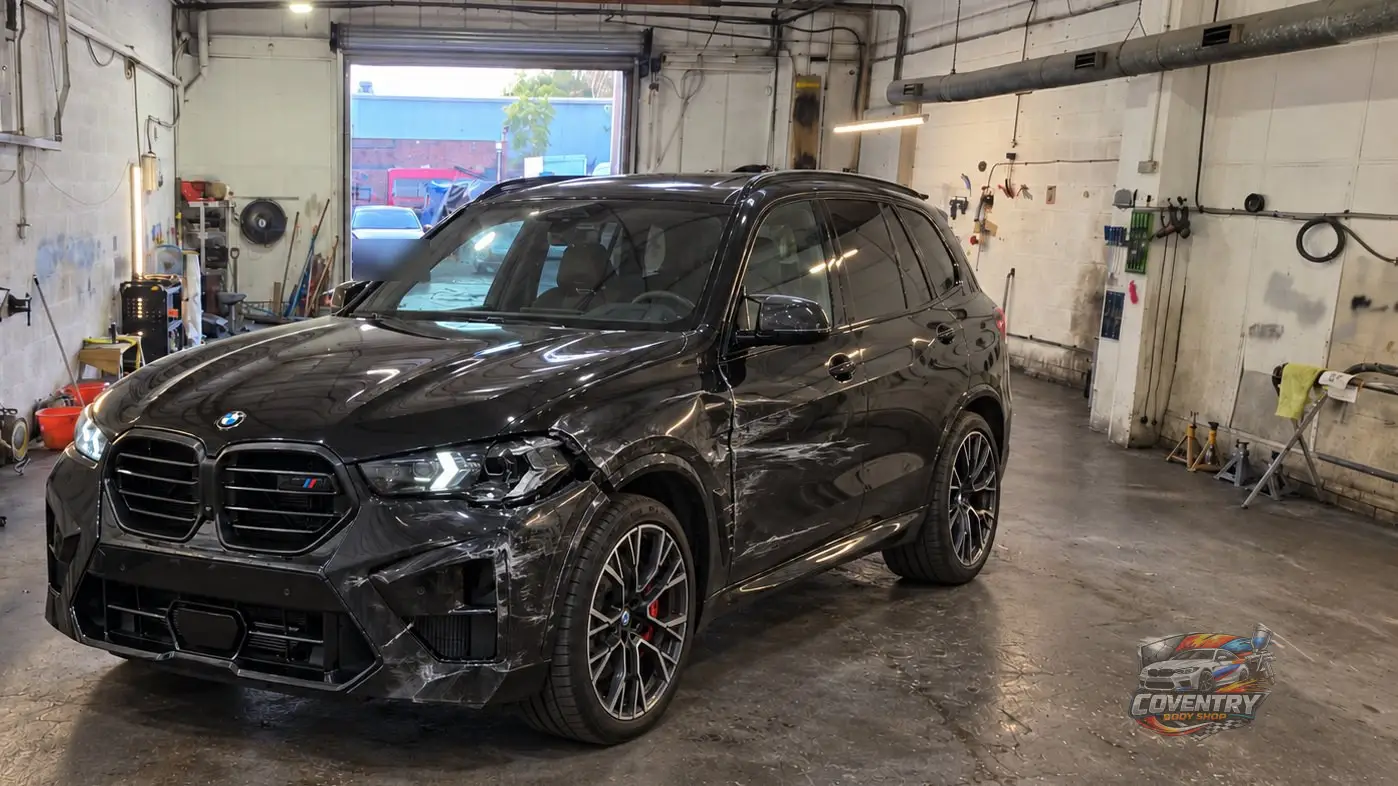
Understanding the Extent of Paint Damage
When your vehicle suffers an accident, the paint damage can range from minor scratches to significant chipping or peeling. The extent of the damage decides the repair. Every repair starts with an assessment of how deep the damage goes and how far it spreads, which sets the repair method and the materials needed.
Minor scratches might only affect the clear coat, while deeper gouges can penetrate through to the primer or even the metal. Good lighting and a close inspection help make sure no damage is missed, and they show whether a touch-up is enough or the panel needs a respray.
In cases where the damage is extensive, a detailed inspection can reveal underlying issues such as rust or structural damage. These need putting right before any paint goes on, or the new finish will not last. The vehicle's age and paint condition matter too, as older paint may need different handling from a newer finish.
Once the damage is assessed, we talk you through what we found and give you a quote. A small inspection is free. Where the accident damage calls for a deeper inspection, we charge from £240 including VAT (£200 plus VAT) for it, and we reduce the repair bill by that amount if you have the repair done. Any extra work found during the repair is done only with your approval.
Preparing the Surface for Repair
Preparation decides how long a paint repair lasts. It begins with cleaning the damaged area to remove dirt, grease and any contaminants that could affect adhesion.
Next, we sand the area to smooth out any rough edges and create a surface that the primer can adhere to effectively. Depending on the severity of the damage, different grades of sandpaper are used, starting with a coarser grit and gradually moving to finer grits for a smooth finish.
For deeper scratches or dents, filler may be applied to level the surface. The filler is applied evenly and sanded to match the surrounding contours, and it must cure fully before the next step.
Once the surface is prepared, primer goes on. It gives the paint a uniform base to grip. The primer must suit the paint system used and the panel material, whether metal or plastic.
Colour Matching and Paint Application
Colour matching starts with the manufacturer's paint code. The code is usually printed on a label or plate in a door shut, under the bonnet or in the boot, and is often listed in the service book.
We use the manufacturer's paint code and specialist colour mixing to get the closest match, allowing for changes in the original paint caused by age and sun exposure.
Paint should be applied where dust and contaminants are kept away from the wet surface. It goes on in several thin coats, each left to flash off before the next, which gives a smooth, even finish.
Between coats, the surface is checked for dust or runs so they can be dealt with before the clear coat goes on.
Blending and Finishing Techniques
Blending fades the new colour into the existing finish so there is no hard line between old and new paint. It matters most on partial panel repairs and on colours that are hard to match, such as metallics and pearls, where the colour is often blended into the next panel.
The base coat is feathered out with lighter coats towards the undamaged area, so the change in colour is gradual rather than a visible edge.
Once the paint is blended, we apply a clear coat to protect the new paint and enhance its gloss. The clear coat gives the finish its durability, as a barrier against UV, weather and light abrasion. It also gives the repaired area the same gloss as the rest of the car.
After the clear coat is applied, we allow it to cure fully. Curing times depend on the product and the conditions, so we follow the paint maker's instructions. Once cured, small marks such as dust nibs are taken out with light sanding and polishing.
Quality Control and Inspection
After the paint has cured, we check the repair for colour match, surface smoothness and finish, in good light and from more than one angle.
Our workmanship is guaranteed for 6 months from the date you collect your vehicle. If you notice a problem with the finish in that time, bring the car back and we will inspect it and put right any fault in our work.
When you collect the car, look over the repair with us. If anything is not right, we want to know before you drive away.
Insurance and Cost Considerations
We can help with your claim: we photograph the damage, prepare a quote for your insurer and, if you want us to, deal with them about the repair. Your insurer decides how the claim is settled, so check your policy for your excess and whether you can choose your own repairer. Our insurance and accident repair support page explains how it works, and does car insurance cover paint damage? covers what a policy usually pays for.
The cost depends on the extent of the damage and the repair method. For minor scratches, a scratch removal and machine polish might suffice, while more severe damage could require a panel dent repair and respray.
Your quote sets out the work and the cost before anything starts, including any part that needs replacing. Minor scratches and chips usually take 1 to 2 days. Most accident repairs take 3 to 7 working days once work starts, provided the parts are available.
Maintaining Your Vehicle's Paintwork
After the repair, regular washing and waxing protect the paint from dirt, grime and the weather. Freshly applied paint keeps hardening for some weeks, so ask us when it is safe to wax or machine polish the repaired area.
For added protection after the repair, our paint protection and detailing service offers machine polishing and paint protection. Beyond our service, a ceramic coating or paint protection film from a specialist can add more protection against UV, bird droppings and chemical contaminants, and film also guards against stone chips.
Deal with new chips promptly: a chip through to the metal can let rust start, which turns a small repair into a bigger one. Services like paint touch-up can be a cost-effective solution for minor damage.
Conclusion: Getting Your Paintwork Repaired
A lasting accident paint repair comes down to an honest assessment, careful preparation, an accurate colour match and proper curing. Our aim is to return your car looking as it did before the accident.
If your car has paint damage after an accident, contact us for a quote, or book an inspection.
For small, localised damage, SMART repair may be enough; a full body respray is only needed when most of the paintwork is affected.
Leave a Comment
Comments
No comments yet.