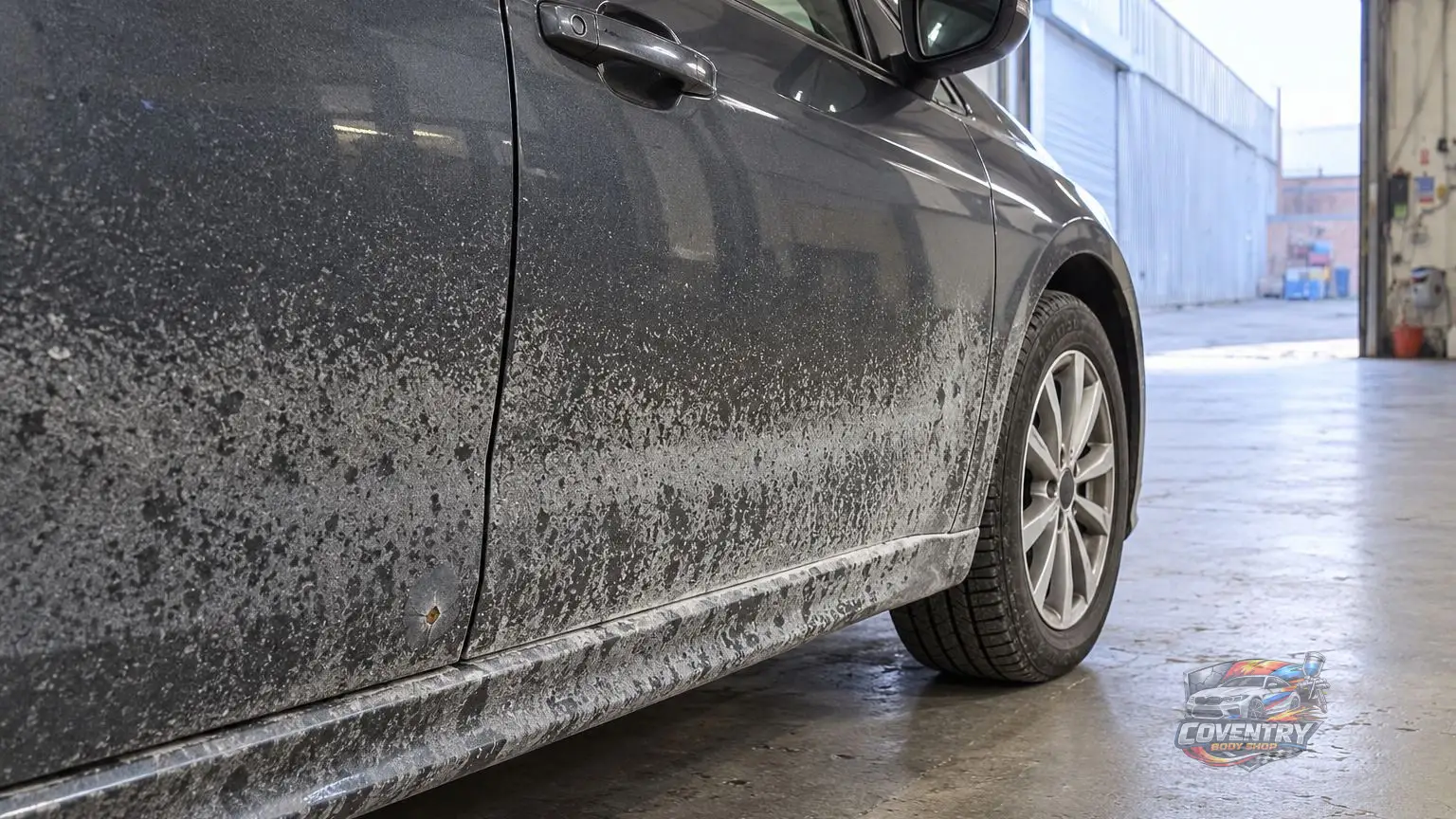
Understanding the Impact of Road Salt on Car Paint
As a seasoned bodyshop owner in the UK, I've witnessed firsthand the havoc that road salt can wreak on vehicle paintwork. During the winter months, road salt is a necessary evil, used extensively to prevent ice formation and ensure safer driving conditions. However, this same salt can be detrimental to your car's paint, leading to corrosion and unsightly damage.
Road salt is primarily composed of sodium chloride, which, when mixed with water, creates a highly corrosive solution. This solution can penetrate the protective layers of your car's paint, initiating a chemical reaction that accelerates rust formation. The result is not just aesthetic damage but potential structural issues if left unchecked.
In our workshop, we often see vehicles with compromised paint due to salt exposure. The damage is most prevalent in areas where salt and moisture can accumulate, such as wheel arches, undercarriages, and lower body panels. Understanding the chemical interaction between salt and paint is crucial for effective repair and prevention strategies.
The Chemical Reaction: How Salt Leads to Corrosion
When road salt dissolves in water, it forms a saline solution that can easily infiltrate any minor imperfections in your car's paintwork. This solution is highly conductive, accelerating the electrochemical reactions that cause rust. The presence of salt lowers the freezing point of water, allowing it to remain liquid and active at lower temperatures, further exacerbating the problem.
In our bodyshop, we address this issue by thoroughly cleaning and neutralising the affected areas. It's essential to remove all traces of salt before proceeding with any repair work. We use specialised cleaning agents designed to break down and neutralise salt residues without damaging the underlying paint.
Once the area is clean, we assess the extent of the damage. Minor surface rust can often be treated with a thorough sanding and application of a rust-inhibiting primer. For more severe cases, we may need to strip the affected area back to bare metal and rebuild the paint layers from scratch, ensuring each layer is cured properly to prevent future issues.
Preventative Measures: Protecting Your Vehicle's Paint
Prevention is always better than cure, and there are several steps you can take to protect your vehicle's paint from road salt damage. Regular washing during the winter months is crucial. This helps to remove salt deposits before they have a chance to penetrate the paint layers.
In our workshop, we recommend using a high-quality wax or sealant to create a protective barrier over your car's paint. These products are designed to repel water and contaminants, reducing the risk of salt infiltration. For added protection, consider a professional-grade ceramic coating, which offers superior durability and resistance to chemical damage.
Additionally, we advise inspecting your vehicle regularly for any chips or scratches in the paint. These imperfections can act as entry points for salt and moisture. Addressing them promptly with a paint touch-up can prevent more extensive damage down the line.
Repair Techniques: Restoring Salt-Damaged Paint
When it comes to repairing salt-damaged paint, precision and expertise are paramount. In our bodyshop, we follow a meticulous process to ensure the highest quality results. The first step is a thorough assessment of the damage, which allows us to tailor our approach to each specific case.
For minor damage, such as small scratches or chips, a scratch removal and machine polish may suffice. This process involves carefully sanding the affected area, polishing it to restore the original finish, and applying a protective sealant.
For more extensive damage, a full respray might be necessary. This involves stripping the damaged paint, preparing the surface, and applying new layers of primer, paint, and clear coat. Each layer is meticulously applied and cured to ensure a flawless finish that matches the original manufacturer standards.
Quality Control: Ensuring Long-Lasting Repairs
Quality control is a cornerstone of our repair process. Every vehicle that comes through our workshop undergoes rigorous checks to ensure that the repair meets our high standards. This includes verifying the colour match using manufacturer paint codes and ensuring that the finish is smooth and free of imperfections.
We also conduct durability tests to assess the longevity of the repair. This involves exposing the repaired area to various conditions to ensure it can withstand the elements. Our goal is to provide repairs that not only restore the vehicle's appearance but also offer long-lasting protection against future damage.
By adhering to BSI refinishing standards and using OEM-approved materials, we ensure that our repairs are both effective and compliant with industry regulations. Find out more about our SMART repair service.
Choosing the Right Paint System for Durability
One of the most critical decisions in the repair process is selecting the appropriate paint system. The choice of paint can significantly impact the durability and appearance of the repair. In our bodyshop, we use high-quality paint systems that are designed to withstand the harsh UK climate.
We consider several factors when selecting a paint system, including the vehicle's original paint type, the extent of the damage, and the desired finish. Our technicians are trained to blend and match colours precisely, ensuring a seamless repair that maintains the vehicle's aesthetic integrity.
In addition to the paint itself, we pay close attention to the application process. This includes proper surface preparation, accurate mixing ratios, and controlled curing conditions. By following these best practices, we ensure that the repair not only looks good but also stands the test of time.
Workshop-Level Insights: Practical Tips and Techniques
As a professional bodyshop owner, I believe in sharing practical insights that can help vehicle owners maintain their paintwork. One of the most effective techniques we use is blending, which involves gradually transitioning the new paint into the existing finish. This technique is particularly useful for partial resprays and ensures a seamless appearance.
Another critical aspect of our process is curing. Proper curing is essential for achieving a durable finish. We use state-of-the-art spray booths that comply with HSE regulations, providing a controlled environment for optimal curing. This not only enhances the quality of the repair but also ensures compliance with safety standards.
For those dealing with minor dents and scratches, a SMART repair can be a cost-effective solution. This technique focuses on repairing only the damaged area, minimising the need for extensive respraying and reducing costs.
Conclusion: Protecting Your Investment
In conclusion, road salt poses a significant threat to your vehicle's paintwork, but with the right knowledge and techniques, you can protect and restore your car's finish. As a UK bodyshop expert, I encourage vehicle owners to take proactive measures to safeguard their investment.
Whether it's through regular maintenance, professional repairs, or advanced protective coatings, there are numerous ways to combat the effects of road salt. If you're concerned about your vehicle's paint, don't hesitate to reach out for a consultation. Our team is here to provide expert advice and high-quality repair services tailored to your needs.
For more information on our services, including bumper repair and full body resprays, visit our website or contact us directly. Protect your vehicle today and ensure it remains in pristine condition for years to come.
Leave a Comment
Comments
No comments yet.