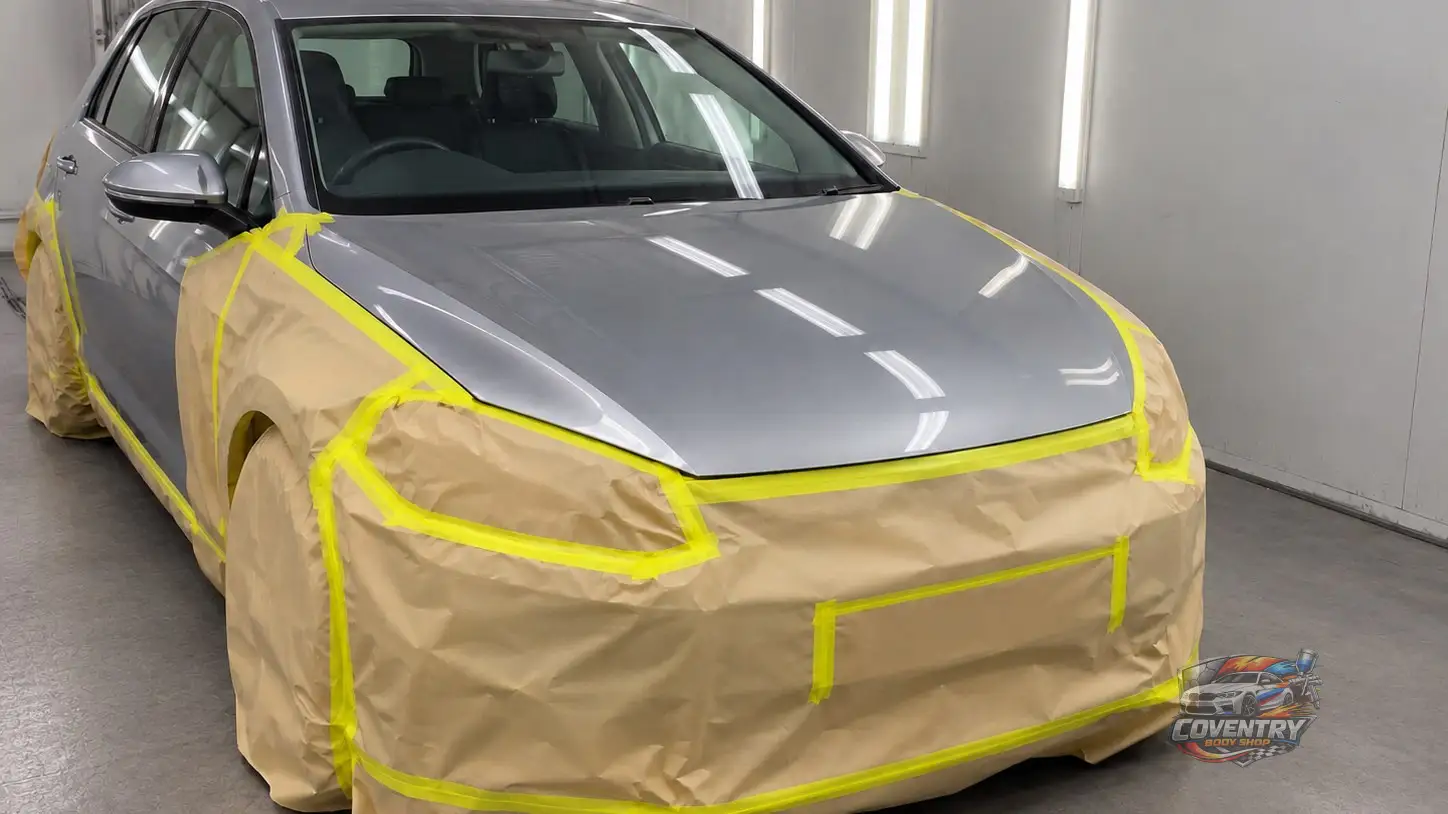
The Art of Car Paint Transformation
A car paint transformation can have an impact on a vehicle's appearance. Whether it's a minor scratch or a full respray, most projects involve the preparation and painting stages of automotive refinishing. Some minor scratches can be machine polished instead.
Understanding the intricacies of car paintwork is crucial. We start with a thorough assessment of the vehicle's current condition. This involves identifying any scratches, dents, or paint imperfections that need addressing. Our goal is to achieve a finish that blends with the existing paintwork.
Our process begins with surface preparation. This step helps the new paint adhere properly. We use a combination of sanding, cleaning, and priming to create a smooth base. This is followed by careful colour matching, using manufacturer paint codes as a starting point.
For those interested in a full body respray, we offer a comprehensive service that includes everything from surface preparation to the final clear coat application.
Explore our Full Body Respray service for a complete transformation.
Preparation: The Foundation of Quality
Preparation is the cornerstone of any successful car paint transformation. The preparation phase involves several critical steps:
- Surface Cleaning: We begin by thoroughly cleaning the vehicle's surface to remove any contaminants that could affect the paint's adhesion.
- Sanding: Using various grades of sandpaper, we smooth out any imperfections, ensuring a uniform surface.
- Priming: A primer is applied to create a stable base for the paint. This step helps with durability and paint adhesion.
Each of these steps is vital in preventing issues such as peeling or bubbling, which can occur if the surface is not properly prepared. Our attention to detail in this phase sets the stage for a smooth finish.
For smaller jobs, such as minor dents and scratches, consider our Smart Repair service.
Colour Matching: Paint Codes and Appearance
Colour matching is both an art and a science. Achieving a smooth blend with the existing paintwork requires care and precision. We use a spectrophotometer to match the colour with the vehicle's existing paint.
Manufacturer paint codes are our starting point, but we also consider factors such as the vehicle's age and exposure to elements, which can affect the paint's appearance. We adjust the formula as needed to help the new paint blend with the existing finish.
Once the colour is mixed, a test spray can be used to verify the match. This step helps check the colour against the vehicle's existing finish.
For single panel repairs, explore our Car Body Paint (Single Panel) service.
Application Techniques: Crafting an Even Finish
The application of paint is where the transformation truly begins. Our painter, the director, employs a variety of techniques to apply a smooth, even coat. The choice of application method depends on the size and scope of the project.
For larger areas, we use spray guns in our spray booth. For smaller areas, such as bumper repairs, we may use SMART repair techniques to achieve precise results.
Each layer of paint is allowed to dry before the next is applied. This process helps achieve a durable finish that can withstand the rigours of daily use.
Interested in bumper-specific services? Check out our Bumper Repair and Bumper Respray services.
Blending and Finishing: A Smooth Transition
Blending helps soften the boundary between the new paint and the existing finish. We use feathering techniques, which involve gradually tapering the new paint into the old. This creates a smooth transition between the new and existing paint.
Once the blending is complete, we apply a clear coat to protect the paint and enhance its gloss.
Our quality control checks involve a thorough inspection to check the appearance and finish. Any imperfections in the repair are put right before you collect the car.
Durability and Longevity: Supporting Lasting Results
The longevity of a car paint job depends partly on preparation and application.
Factors such as UV exposure, environmental conditions, and regular maintenance play a role in the paint's durability. Maintaining a vehicle's finish can include regular washing and the application of protective waxes.
After a repair, we also offer machine polishing and paint protection.
Types of Paint Project: Paint Transformations
A workshop can handle a variety of projects, each presenting different repair needs. Here are a few examples of types of paint project:
- Classic Car Restoration: A full respray of a vintage vehicle, requiring careful colour matching and blending to preserve its classic appeal.
- Accident Repair: Comprehensive repair and respray following a collision, addressing damaged panels and paintwork.
- Custom Colour Change: A complete colour change, involving DVLA notification and meticulous attention to detail to ensure a uniform finish.
Choosing the Right Bodyshop: What to Look For
When selecting a bodyshop for your vehicle's paint transformation, consider the following factors:
- Experience and Reputation: Look for a bodyshop with a proven track record and positive customer reviews.
- Quality of Materials: Ensure the shop uses high-quality paints and materials for lasting results.
- Methods and Standards: Verify that the shop follows the paint maker's and vehicle maker's repair methods.
- Warranty and Aftercare: Choose a shop that offers a warranty on their work and provides guidance on maintaining your vehicle's finish.
Ready to transform your vehicle? Contact us to talk it through, and bring the car in for a quote.
Leave a Comment
Comments
No comments yet.