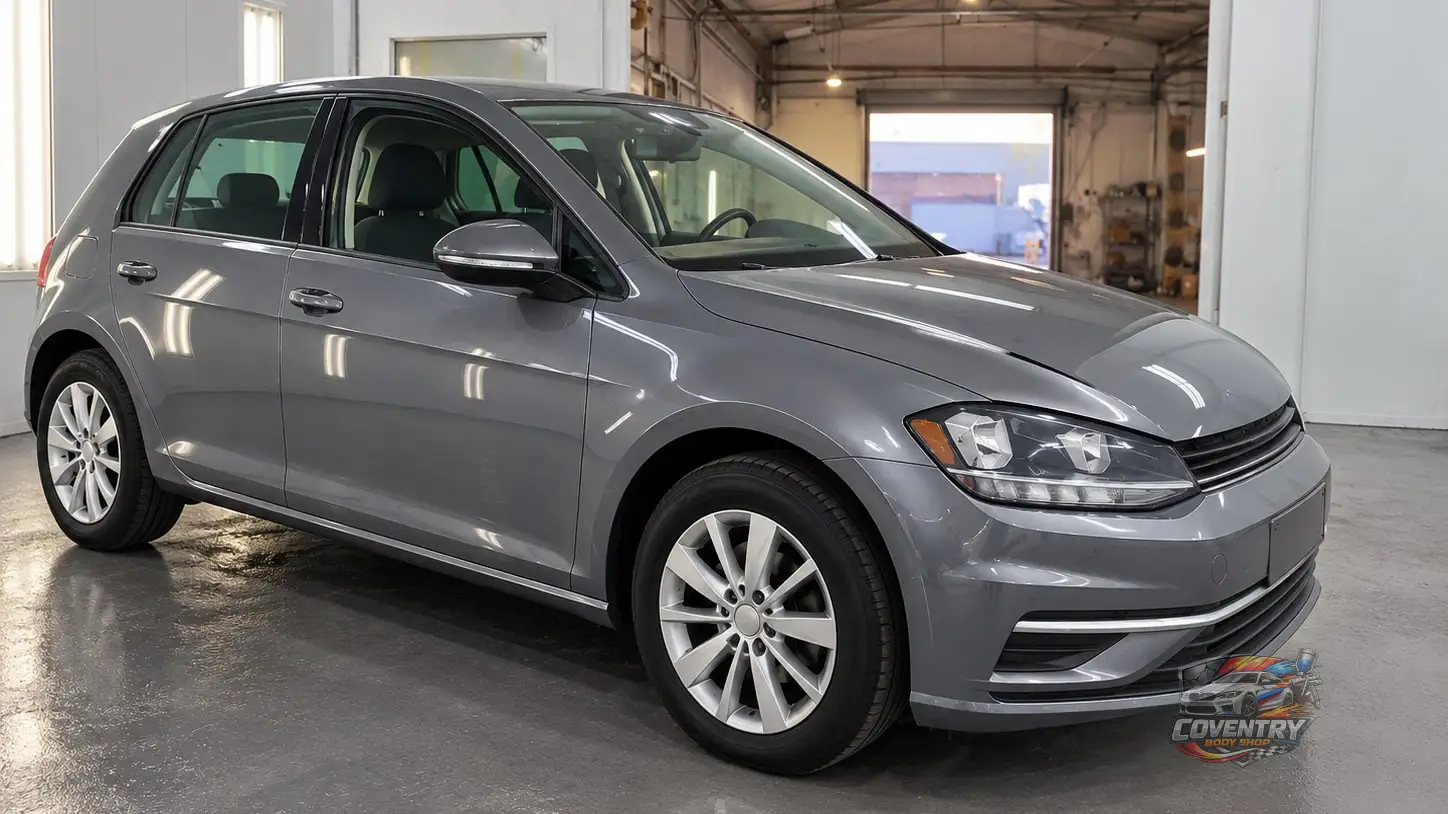
The best car colours for resale value in the UK are typically neutral shades like black, white, grey, and silver. These colours consistently appeal to the broadest range of buyers, show less visible wear, and are easier and cheaper to repair if damaged. As a bodyshop owner with years of experience, I’ve seen how colour choice affects not only how quickly a car sells but also the cost and complexity of repairs when it comes time to resale or refurbish.
Why Car Colour Affects Resale Value
Car colour influences resale value because it impacts buyer perception, repair practicality, and market demand. Neutral colours like black, white, and grey are safer choices for resale because they appeal to a wider audience and are less likely to polarise buyers. Bright or niche colours may reflect personal taste but often limit the pool of potential buyers, which can lower demand and increase time on the market.
From a repair standpoint, standard colours are easier to match and blend, especially if panel repair or spot painting is needed. Custom or metallic finishes require more labour and specialised equipment to repair correctly, which can increase costs and affect insurance assessments. In my workshop, I’ve seen that cars with common factory colours often require less preparation and fewer colour-matching adjustments, leading to faster turnaround and more predictable repair outcomes.
Top Car Colours for Resale Value in the UK
Based on market trends and repair data, the following colours consistently perform well in terms of resale value across the UK:
- Black: A timeless choice that looks premium and hides minor imperfections well. It shows swirl marks and dust more easily but remains highly desirable in the used market.
- White: Popular for its clean appearance and ability to hide minor scratches. It reflects heat well and is often associated with newer vehicles, boosting perceived value.
- Grey (especially dark grey or anthracite): Offers a modern look, hides dirt better than black or white, and is widely accepted across vehicle types - from family hatchbacks to executive saloons.
- Silver: Once the most popular colour in the UK, silver still holds strong resale appeal due to its neutrality and ease of repair.
- Navy blue: Increasingly popular as a premium alternative to black. It offers depth and sophistication while remaining broadly acceptable to buyers.
These colours are favoured not just for aesthetics but because they align with what bodyshops see most often in repair work - meaning paint systems, primers, and lacquers are well-established, and colour matching is more reliable.
How Paint Type and Finish Affect Long-Term Value
The type of paint finish - solid, metallic, or pearl - affects both appearance and repair complexity. Solid colours (non-metallic) are the easiest and most cost-effective to repair. They require fewer layers, less blending, and are less prone to application errors during refinishing.
Metallic and pearl finishes contain reflective particles that must be evenly distributed during application. If a panel is damaged and needs repainting, achieving an invisible repair requires precise colour matching, proper blending into adjacent panels, and often a full-panel respray to avoid visible differences. This increases labour time and material costs.
In practice, I’ve found that metallic finishes on popular colours like grey or blue can still hold strong resale value - but only if the original finish is well-maintained. Poorly repaired metallic paint stands out immediately to buyers, which can undermine the vehicle’s perceived condition and value.
Colours That May Hurt Resale Value
While personal expression matters, certain colours tend to perform worse in the resale market. These include:
- Bright colours (yellow, orange, green): Often associated with specific models or driving styles, they appeal to a narrower audience and can take longer to sell.
- Very dark shades like matte black or deep purple: Although striking, they show imperfections easily and require specialist care. Matte finishes, in particular, cannot be polished and must be repaired with specialised techniques.
- Uncommon or custom colours: Factory special-order hues or aftermarket wraps may look unique but can complicate repairs and reduce buyer confidence due to concerns about colour matching and authenticity.
From a repair perspective, these colours often require custom mixing, longer booth times, and more skilled labour - all of which increase costs. If a vehicle has been repainted in a non-standard colour, I always advise checking the quality of the work, as poor application can lead to premature fading or peeling.
Practical Tips for Maximising Resale Value Through Colour and Care
If you’re choosing a colour with resale in mind, consider these practical points:
- Stick to factory-standard colours: They are easier to repair, match, and maintain over time.
- Consider the vehicle type: A bright red might work well on a sports car but could seem out of place on a large SUV or family estate.
- Prioritise paint protection: Regular washing, waxing, and prompt attention to chips or scratches help preserve the finish - regardless of colour.
- Address paint damage early: Small scratches or stone chips can lead to rust or clear coat failure if left untreated. Services like scratch removal and machine polish can restore gloss and prevent further deterioration.
- Keep records of any paint work: If repairs have been done, documentation helps reassure buyers that the work was done correctly - especially important for metallic or pearl finishes.
In my experience, cars with well-maintained factory paint - even if not a premium colour - often outperform those with faded or poorly repaired custom finishes when it comes to buyer confidence and final sale price.
How Bodyshops Assess Paint Condition for Resale
When preparing a vehicle for sale or assessing its condition, bodyshops look at several paint-related factors that directly impact value:
- Paint thickness and uniformity: Using a paint depth gauge, we check for signs of previous repairs, filler use, or inconsistent application - all of which can suggest accident history.
- Clear coat integrity: Oxidation, peeling, or fading indicates UV damage and reduces gloss, making the car look older than it is.
- Colour match accuracy: Any visible difference between panels suggests repainting, which raises questions about prior damage.
- Surface defects: Swirl marks, scratches, or etching from bird lime or tree sap detract from appearance and may require correction.
- Panel alignment and gaps: Misalignment after repair can indicate structural work, which affects value regardless of paint quality.
These checks help determine whether the paint contributes to or detracts from the vehicle’s overall condition - a key factor in resale pricing.
Local Considerations: Colour Trends in the Midlands
In the Coventry and wider Midlands area, neutral colours dominate the used car market. Black, grey, and white are consistently the most common choices across makes and models, reflecting broader UK trends. This popularity means bodyshops in the region are well-equipped to handle repairs on these colours, with established processes for colour matching, blending, and lacquer application.
Because these colours are so prevalent, parts like bumpers or mirrors are more likely to be available in matching shades, reducing the need for painting and lowering repair costs. For drivers in areas like Northampton or surrounding towns, choosing a common colour can simplify both maintenance and resale preparation.
Leave a Comment
Comments
No comments yet.