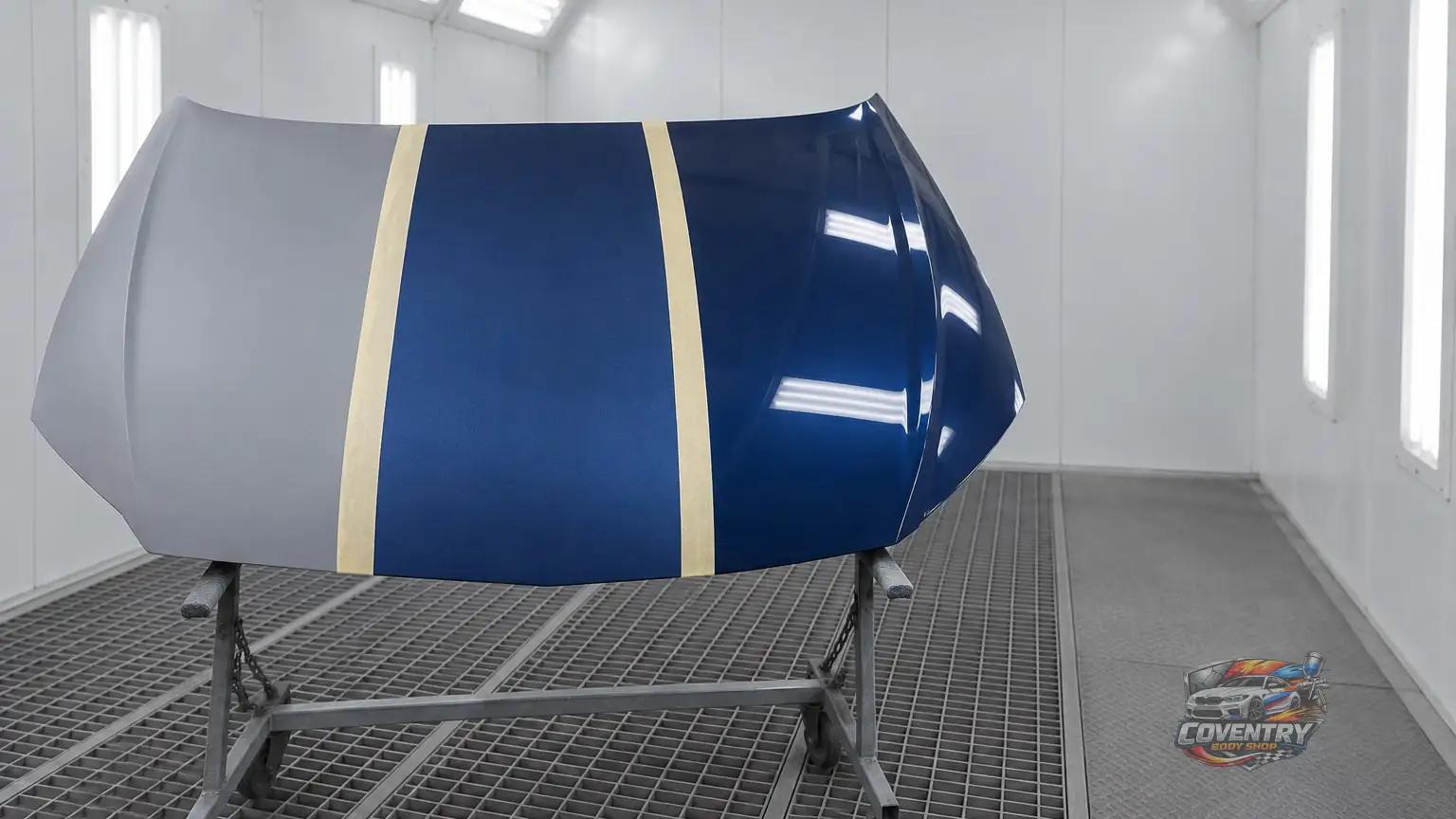
There is no single number of paint coats that suits every car repair because the condition of the repair area and how easily the colour covers vary. A base coat and clear coat repair needs primer where required, colour for even coverage, then clear coat. Single-stage, or direct-gloss, finishes combine colour and gloss without necessarily needing separate clear coat. The paint maker's instructions for the particular products set the coat requirements and the time between applications.
Why does primer coverage vary across a repair?
A shallow paint repair and a dent repaired with filler can need different layers underneath the colour. Bare areas and filled areas usually need suitable primer, while sound surrounding paint may not need the same primer treatment. The panel material and the chosen paint system also affect what is required.
Primer helps provide a suitable foundation for the layers above it. Some primers can fill minor surface marks, but adding primer is not a substitute for correcting a dent or an uneven repair. The primer's function and specified dry film thickness determine how much is applied.
Why do some colours need more base coat?
Base coat is the colour layer. Some colours cover the surface beneath them more readily than others, so the same number of applications may leave one colour even and another looking patchy. The shade underneath can also affect how easily the new colour covers.
The aim is even coverage within the paint system's instructions. Some metallic paint systems specify a final lighter pass to make the metallic flake look even. Simply continuing to spray is not always the right response to poor coverage. The underlying shade, application and product requirements may need checking before more material is added.
Three-layer pearl colours add another stage: an underlying colour, a partly transparent pearl effect layer and clear coat. "Three-layer pearl" describes three stages, each of which can take several applications. The mid coat creates the pearl effect, and its application can change the appearance. Controlled application of the pearl layer gives the intended effect.
How is the clear coat requirement decided?
Clear coat, also called lacquer, usually provides the protective outer finish over base coat. The product's instructions specify applications to achieve the required dry film thickness, meaning the coating left after drying. Those figures apply to that product. A coat count quoted without that context tells you little about whether the repair has the appropriate clear coat coverage.
Clear coat cannot hide patchy colour underneath. Although it changes how the finished surface reflects light, it is transparent, so uneven colour can remain visible through it. The colour and any pearl effect need to be right before the clear coat stage begins.
Why can adding more coats cause problems?
More paint does not automatically mean a better repair. Excessive application can cause runs, while too much total paint thickness can contribute to cracking or a poor finish. Applying coats outside the product's instructions can trap solvent under a thick build of paint, which can show later as small blisters or a dull patch.
Coat count and paint thickness are related, but they are not interchangeable. A heavy application can deposit more material than a lighter one. That is why a promise of extra coats is less useful than an explanation of which layers your repair needs and how their application will be controlled.
Why might paint extend beyond the damaged area?
The area needing primer can be smaller than the area needing colour. Where necessary, new colour is blended into neighbouring paint on the repaired panel or an adjacent panel to soften the visible transition. Our explanation of blending new paint into the panel covers why that extra painted area may be part of a local repair.
This does not mean every layer stops at the same point. Clear coat coverage follows the suitable repair method and may extend across a whole panel even where colour is applied more locally. The damage size alone therefore cannot tell you the full extent of the paintwork.
How is paint thickness checked?
Our paint depth gauge measures the thickness of the coating on the panel. Total thickness includes the paint already on the panel as well as any new layers, whereas a repair's coat count describes the new applications. A total reading cannot isolate the new clear coat's thickness or tell you how many applications were made. Our guide to measuring paint thickness explains what those measurements can help establish.
What can a quoted coat count tell you?
A quoted coat count can describe planned applications when it names the layer and area concerned. For repainting a single panel, that number alone cannot tell you the extent of the repair or whether neighbouring panels are included.
A coat count for a full body respray does not tell you which panels and surfaces the quote covers. It also cannot show whether the proposed application follows the particular product's requirements.
Ask these questions to put a quoted number in context:
- Which layer and area does this count refer to?
- Is that application specified for the chosen product?
- What repair work and painted surfaces does the estimate include?
How can you get your paint repair started?
We advise sending photos of the damaged paint by WhatsApp on +44 7903 105777 or the Send enquiry button, so we can flag work we cannot take on before you make the trip. Tell us your car's make and model, and mention any previous paint repair you know about.
After booking, we advise everyone to bring the car to our workshop in Wyken, Coventry so we can see the paintwork in person. The final price is set after inspection, and no deposit is needed. See our single-panel paint service page for prices.
Leave a Comment
Comments
No comments yet.