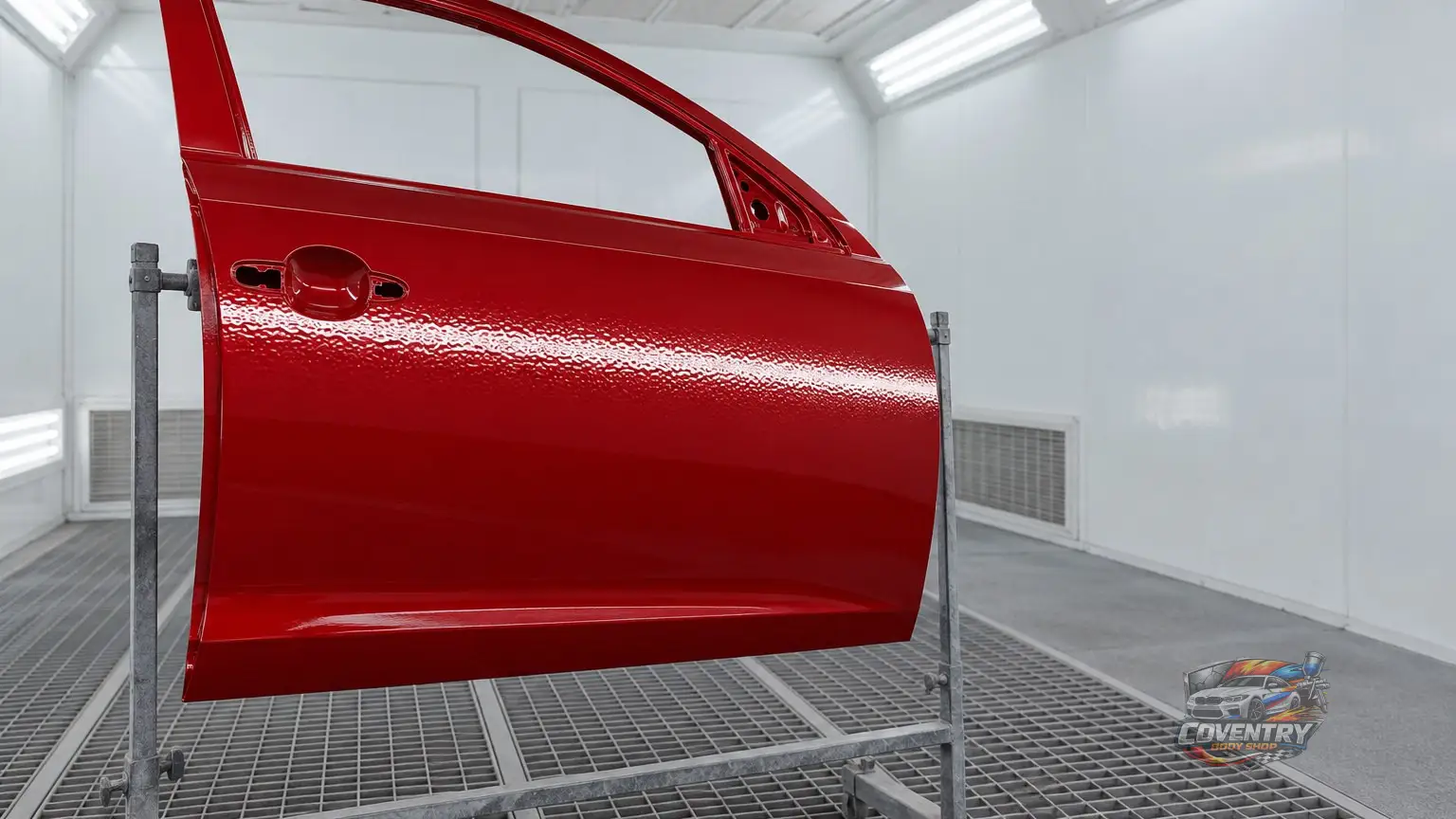
Understanding Orange Peel Paint Texture
Orange peel is a common issue in automotive paintwork, characterised by a surface that resembles the skin of an orange. This texture is not only unsightly but can also affect the overall quality and durability of the paint job. As a seasoned bodyshop owner, I've encountered this issue numerous times and have developed effective strategies to address it.
The primary cause of orange peel is improper paint application. Factors such as incorrect spray gun settings, inadequate surface preparation, and unsuitable environmental conditions can all contribute to this problem. Understanding these causes is the first step in preventing and correcting orange peel texture.
In the UK, adhering to BSI refinishing standards is crucial for maintaining high-quality paintwork. These standards ensure that the paint application process meets specific criteria, reducing the likelihood of defects like orange peel. Additionally, compliance with HSE spray booth regulations is essential to create an optimal environment for paint application.
When addressing orange peel, it's important to consider the type of paint system used. Different systems have varying levels of viscosity and drying times, which can impact the final finish. Selecting the right paint system for your specific project is crucial for achieving a smooth, even surface.
Preparation: The Foundation of a Flawless Finish
Proper preparation is key to preventing orange peel texture. Before applying any paint, the surface must be meticulously cleaned and sanded. This ensures that the paint adheres properly and lays down smoothly.
Start by washing the vehicle thoroughly to remove any dirt, grease, or contaminants. Next, sand the surface using progressively finer grits of sandpaper. This step is critical for creating a smooth base for the paint to adhere to. Pay special attention to any existing imperfections, such as scratches or dents, which can exacerbate orange peel if not addressed.
In some cases, a primer may be necessary to create an even surface and improve paint adhesion. The choice of primer will depend on the type of paint being used and the condition of the underlying surface. A high-quality primer can significantly reduce the risk of orange peel by providing a uniform base for the paint.
Once the surface is prepared, it's important to ensure that the spray booth environment is optimal for painting. Temperature, humidity, and air circulation all play a role in the paint application process. Maintaining the right conditions can help prevent issues like orange peel from occurring.
Spray Gun Settings: Achieving the Perfect Application
The settings on your spray gun are crucial for achieving a smooth, even paint application. Incorrect settings can lead to orange peel, so it's important to adjust them carefully based on the specific paint system and environmental conditions.
Start by selecting the appropriate nozzle size for your paint. A nozzle that's too large can result in excessive paint application, while one that's too small may not provide adequate coverage. The spray pattern should be adjusted to ensure even distribution of paint across the surface.
Next, consider the air pressure settings. Too much pressure can cause the paint to atomise improperly, leading to orange peel. Conversely, too little pressure can result in an uneven application. It's important to find the right balance to achieve a smooth finish.
Finally, the distance between the spray gun and the surface should be consistent throughout the application process. Holding the gun too close can cause the paint to pool, while holding it too far away can result in a dry, uneven finish. Practice and experience are key to mastering these techniques and achieving a professional result.
Blending and Curing: Ensuring a Seamless Finish
Once the paint is applied, blending and curing are essential steps in achieving a flawless finish. Blending involves carefully transitioning the new paint into the existing paintwork, ensuring that there are no visible lines or discrepancies.
To blend effectively, it's important to feather the edges of the new paint into the surrounding area. This can be achieved by gradually reducing the amount of paint applied as you move away from the repair area. Blending requires a steady hand and a keen eye for detail, but when done correctly, it can create a seamless transition.
Curing is the process of allowing the paint to dry and harden fully. This step is crucial for ensuring the durability and longevity of the paint job. Curing times can vary depending on the type of paint used and the environmental conditions, so it's important to follow the manufacturer's recommendations closely.
During the curing process, it's essential to avoid exposing the vehicle to extreme temperatures or moisture, as these can affect the paint's ability to cure properly. Once cured, the paint should be inspected for any remaining imperfections, such as orange peel, which can be addressed through further correction techniques.
Paint Correction: Refining the Surface
Paint correction is a critical step in addressing orange peel texture. This process involves removing a thin layer of paint to create a smooth, even surface. It's a delicate procedure that requires skill and precision to avoid damaging the underlying paintwork.
The first step in paint correction is to assess the severity of the orange peel. For minor imperfections, a light sanding with fine-grit sandpaper may be sufficient. For more pronounced texture, a more aggressive approach may be necessary.
Once the surface is sanded, it's important to polish the area to restore the paint's gloss and clarity. This can be achieved using a machine polisher and a suitable polishing compound. The goal is to remove any sanding marks and create a mirror-like finish.
Paint correction is a time-consuming process, but it's essential for achieving a professional result. It's important to approach this step with patience and attention to detail, as rushing can lead to further imperfections.
Quality Control: Ensuring a Lasting Finish
Quality control is an integral part of the paint correction process. After completing the correction, it's important to inspect the paintwork thoroughly to ensure that all imperfections have been addressed.
Begin by examining the surface under different lighting conditions to identify any remaining orange peel or other defects. A high-intensity light can be particularly useful for highlighting imperfections that may not be visible under normal lighting.
If any issues are identified, additional correction may be necessary. This could involve further sanding, polishing, or even reapplying paint in some cases. The goal is to achieve a flawless finish that meets both aesthetic and durability standards.
Once the paintwork is deemed satisfactory, it's important to protect the finish with a suitable vehicle paint protection product. This can help preserve the paint's appearance and protect it from environmental factors such as UV rays and contaminants.
Choosing the Right Products: Paint Systems and Longevity
Selecting the right paint products is crucial for achieving a high-quality finish and ensuring the longevity of the paintwork. Different paint systems offer varying levels of durability, gloss, and resistance to environmental factors.
When choosing a paint system, consider the specific requirements of the project, such as the vehicle's make and model, the desired finish, and the environmental conditions in which the vehicle will be used. OEM standards and manufacturer paint codes can provide valuable guidance in selecting the appropriate products.
In addition to the paint itself, it's important to choose complementary products such as primers, clear coats, and polishing compounds that are compatible with the chosen paint system. Using high-quality products can significantly enhance the final result and reduce the likelihood of issues like orange peel.
Ultimately, the right product selection, combined with skilled application and meticulous quality control, can result in a paint job that not only looks stunning but also stands the test of time.
Professional Assistance: When to Seek Expert Help
While DIY enthusiasts may be tempted to tackle orange peel correction themselves, there are situations where professional assistance is advisable. Complex paint corrections, extensive damage, or high-value vehicles may require the expertise of an experienced bodyshop.
Professional bodyshops have access to specialised equipment and products that may not be available to the average DIYer. They also have the experience and skill to address a wide range of paint defects, ensuring a high-quality finish.
If you're considering professional assistance, it's important to choose an insurance-approved bodyshop with a proven track record of excellence. Look for a shop that adheres to industry standards and offers a warranty on their work.
At our bodyshop, we offer a range of services to address paint defects, including Scratch Removal & Machine Polish and Full Body Respray. Our team of experts is dedicated to providing exceptional results and ensuring customer satisfaction.
If you're dealing with orange peel or other paint issues, don't hesitate to reach out for professional advice and assistance. Our team is here to help you achieve the flawless finish your vehicle deserves.
For more information on our services, including Smart Repair and Paint Touch-Up, contact us today. Let us help you restore your vehicle's paintwork to its original glory.
Leave a Comment
Comments
No comments yet.