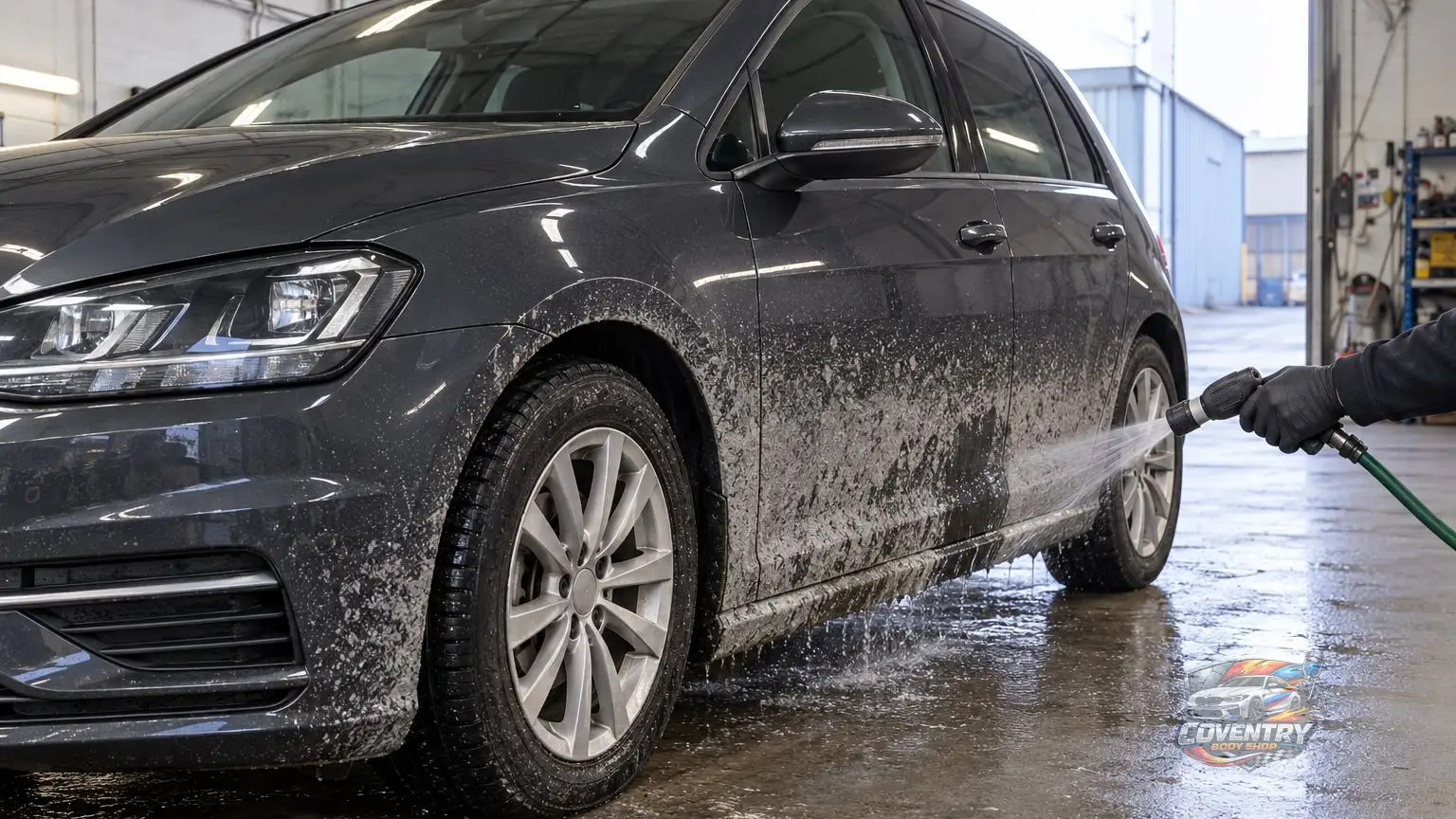
Understanding the Impact of Winter on Car Paint
Winter in the UK can be particularly harsh on your vehicle's paintwork. The combination of cold temperatures, moisture, and road salt can lead to significant damage if not properly addressed. As a professional bodyshop owner, I've seen firsthand how these elements can degrade a car's finish, leading to costly repairs.
During winter, the paint on your car is subjected to constant temperature fluctuations. This can cause the paint to expand and contract, leading to cracking and peeling over time. Additionally, road salt, which is commonly used to prevent ice formation, can be corrosive, eating away at the paint and exposing the metal underneath to rust.
Understanding these risks is the first step in protecting your vehicle. By taking proactive measures, you can prevent damage and maintain your car's appearance and value. In the following sections, we'll explore practical steps you can take to safeguard your car's paint during the winter months.
Pre-Winter Preparation: The Key to Protection
Preparation is crucial when it comes to protecting your car's paint in winter. Before the cold weather sets in, it's essential to thoroughly clean and inspect your vehicle. This involves washing and drying the car to remove any dirt, grime, or contaminants that could cause damage when combined with road salt and moisture.
Once the car is clean, it's time to apply a high-quality wax or sealant. These products provide a protective barrier against the elements, helping to repel water and prevent road salt from adhering to the paint. In my workshop, we recommend using a polymer-based sealant for its durability and longevity. This type of sealant can last several months, providing ongoing protection throughout the winter season.
Additionally, consider applying a paint protection film to vulnerable areas such as the bonnet, bumper, and side mirrors. This film acts as a physical barrier, absorbing minor impacts and preventing scratches and chips. For more extensive protection, a full body respray might be considered, especially if your car's paint is already showing signs of wear.
Regular Maintenance: Keeping Your Car Clean
Maintaining a clean car is vital during winter. Regular washing helps remove road salt and other contaminants that can damage the paint. However, it's important to use the right techniques and products to avoid causing additional harm.
When washing your car, use a pH-neutral shampoo and a soft wash mitt to prevent scratching the paint. Rinse thoroughly to remove all soap residue, and dry the car with a microfiber towel to avoid water spots. It's also advisable to wash your car in a sheltered area to prevent water from freezing on the surface.
For those who prefer a more hands-off approach, consider a professional car wash that offers undercarriage cleaning. This service is particularly beneficial in removing road salt from hard-to-reach areas, reducing the risk of rust and corrosion.
In addition to washing, regular inspections are crucial. Check for any signs of damage, such as chips or scratches, and address them promptly. Services like Scratch Removal & Machine Polish can effectively restore minor imperfections, preventing further deterioration.
Protective Coatings: An Extra Layer of Defense
For those seeking additional protection, ceramic coatings offer an excellent solution. These coatings form a chemical bond with the paint, creating a hard, hydrophobic surface that repels water, dirt, and contaminants.
Ceramic coatings are known for their durability, often lasting several years with proper maintenance. They provide a high-gloss finish that enhances the car's appearance while offering superior protection against the elements. In my experience, applying a ceramic coating before winter can significantly reduce the risk of paint damage.
It's important to note that applying a ceramic coating requires careful preparation and application. The surface must be meticulously cleaned and prepped to ensure proper adhesion. In our bodyshop, we follow a strict process that includes decontamination, paint correction, and curing to achieve optimal results.
While ceramic coatings are an investment, they offer long-term benefits that can save you money on repairs and maintenance. If you're considering this option, consult with a professional to ensure the best outcome for your vehicle.
Addressing Minor Damage: Quick Fixes for Winter
Despite your best efforts, minor damage can still occur during winter. Whether it's a small scratch or a stone chip, addressing these issues promptly is crucial to prevent further deterioration.
For minor scratches, a Paint Touch-Up service can effectively restore the affected area. This involves carefully matching the paint colour and applying it to the damaged spot, blending it seamlessly with the surrounding paintwork.
Stone chips, often caused by debris on the road, can also be repaired using touch-up techniques. In our workshop, we use manufacturer paint codes to ensure an exact match, maintaining the integrity of the car's finish.
For more extensive damage, such as dents or larger scratches, a Smart Repair might be necessary. This service involves using specialised tools and techniques to restore the affected area without the need for a full respray. It's a cost-effective solution that provides excellent results, especially for minor dents and scratches.
Long-Term Solutions: Investing in Quality Repairs
While preventive measures and minor repairs can address immediate concerns, investing in quality repairs is essential for long-term protection. If your car's paint is significantly damaged, a more comprehensive approach may be required.
A Full Body Respray is an option for those looking to restore their vehicle's appearance completely. This process involves stripping the old paint, prepping the surface, and applying a new coat of paint, followed by a clear lacquer for added protection. It's a meticulous process that requires expertise and precision to achieve a flawless finish.
In our bodyshop, we adhere to OEM standards and use high-quality paint systems to ensure durability and longevity. We also conduct thorough quality control checks at each stage of the process, from preparation to curing, to guarantee the best possible outcome.
While a full body respray is a significant investment, it offers long-lasting protection and can enhance the resale value of your vehicle. If you're considering this option, consult with a professional to discuss your needs and expectations.
Insurance Considerations: Navigating Claims and Repairs
In the event of an accident or significant damage, navigating insurance claims can be daunting. Understanding the process and your options is crucial to ensure a smooth and efficient repair experience.
We can help with an insurance claim. This involves providing detailed estimates and documentation to support your claim and, if you want us to, dealing with your insurer about the repair.
It's important to choose a bodyshop that is familiar with insurance procedures and can handle the paperwork on your behalf. This not only streamlines the process but also ensures that repairs are completed to the highest standards.
Additionally, consider the impact of repairs on your insurance premiums. While minor repairs may not affect your rates, more extensive work could lead to an increase. Discuss your options with your insurer and bodyshop to make informed decisions about your vehicle's repairs.
Conclusion: Ensuring Year-Round Paint Protection
Protecting your car's paint in winter requires a combination of preventive measures, regular maintenance, and quality repairs. By understanding the risks and taking proactive steps, you can safeguard your vehicle's appearance and value.
Whether it's applying a protective coating, addressing minor damage, or investing in a full respray, the key is to choose the right solutions for your needs. As a professional bodyshop owner, I recommend consulting with experts to ensure the best outcome for your vehicle.
For more information on our services or to schedule an appointment, contact us today. Our team is here to help you maintain your car's pristine condition, no matter the season.
Leave a Comment
Comments
No comments yet.