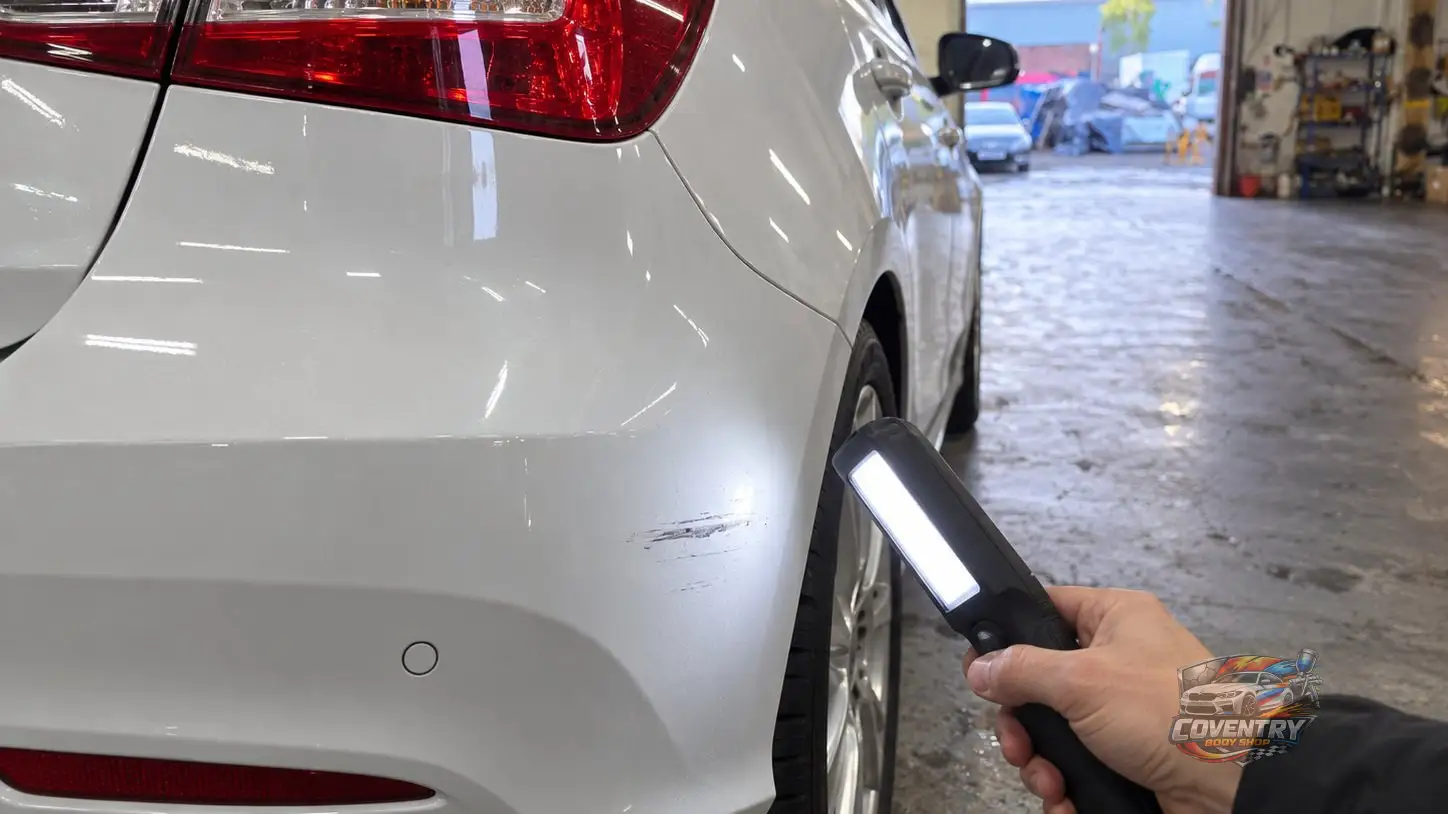
Repairing paint damage so your lease car matches its original colour is normally allowed before you hand it back, provided the work meets a professional standard. Changing the colour or adding custom paint alters a car you do not own, so check your agreement and get the leasing company's written permission first.
Is repainting a repair or a change to the car?
Putting damaged paintwork right using the car's original paint code is a repair. Repainting a scratched panel in its original colour is different from choosing a new colour for the whole car. Explain which you mean when speaking to your leasing company or requesting an estimate.
A new colour, custom paint or a wrap changes the car. Ask your leasing company before arranging any of these, and ask whether it wants the original colour restored before return. A colour change also means updating the vehicle's V5C with DVLA, as GOV.UK requires.
What counts as fair wear and tear?
The BVRLA describes fair wear and tear as deterioration caused by normal use. Damage is different: it results from a specific event or series of events. A visible mark alone does not tell you whether you need to arrange a repair.
Your leasing company should give you the return standard it uses. Ask for it in writing early, along with a copy of the BVRLA Fair Wear and Tear Guide. Use the supplied standard to assess your car rather than guessing which marks are acceptable. The BVRLA says customers are not charged for refurbishment arising from normal wear and tear.
When should you check the paintwork?
The BVRLA recommends checking your car about 10 to 12 weeks before its return date. Wash it first, let it dry and inspect it in good daylight. Water on the paintwork can hide faults, so a quick look while the car is wet is not enough.
Walk around the bumpers and corners, then check the door edges, bonnet front for stone chips, wheel arches, mirrors and roof. Take dated photos, including a close view of each mark and a wider view showing where it sits on the car. Keep a short note of each area so you can refer to the same damage when asking for advice or an estimate.
Should you repair the damage or leave it?
Leave marks that sit within your leasing company's return standard. If you cannot tell whether a scratch or chip falls within it, send the leasing company photos and ask for clarification before authorising paintwork.
For damage outside the standard, compare a written repair estimate with what your leasing company says it would charge for that damage. There is no fixed answer: arranging a repair is not automatically cheaper. Make sure both figures concern the same areas of the car.
The BVRLA says you can arrange repairs before return for damage outside the agreed standard, provided a reputable repairer carries them out to a professional standard. That does not guarantee the outcome of a return inspection.
Which paint damage can usually be put right?
Paint damage that can usually be repaired before handback includes:
- Stone chips: often a touch-up job.
- Scratches through the clear coat: these need paint, because polishing cannot replace a layer that has been cut through.
- Scuffed bumper corners: repaired and repainted.
- Door edge chips: a small local repair.
- A damaged panel: repainted when touch-up is not enough.
Our guide to choosing between touch-up and repainting explains which suits each kind of damage.
For a panel repair, the new paint is usually blended into the neighbouring panels so the colour reads as one; how far depends on the repair. Read about how closely new paint can match if you want to understand the finish before agreeing to work.
How do we repair your lease car's paintwork?
At our workshop in Wyken, Coventry, paint is mixed to the manufacturer's paint code, matched with a spectrophotometer and sprayed in our spray booth. Our director, a former Aston Martin technician and painter, is the only person who paints the cars.
Minor scratches and chips usually take 1 to 2 days. Most repairs take 3 to 7 working days once started, parts permitting. Book well before your return date and confirm the expected timing for your car. Our end of lease repairs page is the next step when you are ready to arrange work before handback.
What records should you keep after a repair?
Keep the written estimate, the invoice and dated photos taken after the repair until your lease is closed. Photograph the repaired areas clearly, including the wider views you took before the work. Keeping these together gives you a record of what was agreed, what was repaired and how the car looked afterwards.
Send photos before booking your repair
Send clear daylight photos of the damage and your return date on WhatsApp at +44 7903 105777 or with the Send enquiry button on this page. We will tell you what we can repair before the car goes back.
You get a written, itemised estimate first, with no deposit. A small inspection is free. A deeper inspection costs from £240 including VAT (£200 plus VAT), deducted if the repair goes ahead.
Leave a Comment
Comments
No comments yet.