Understanding Car Paint Repair Techniques
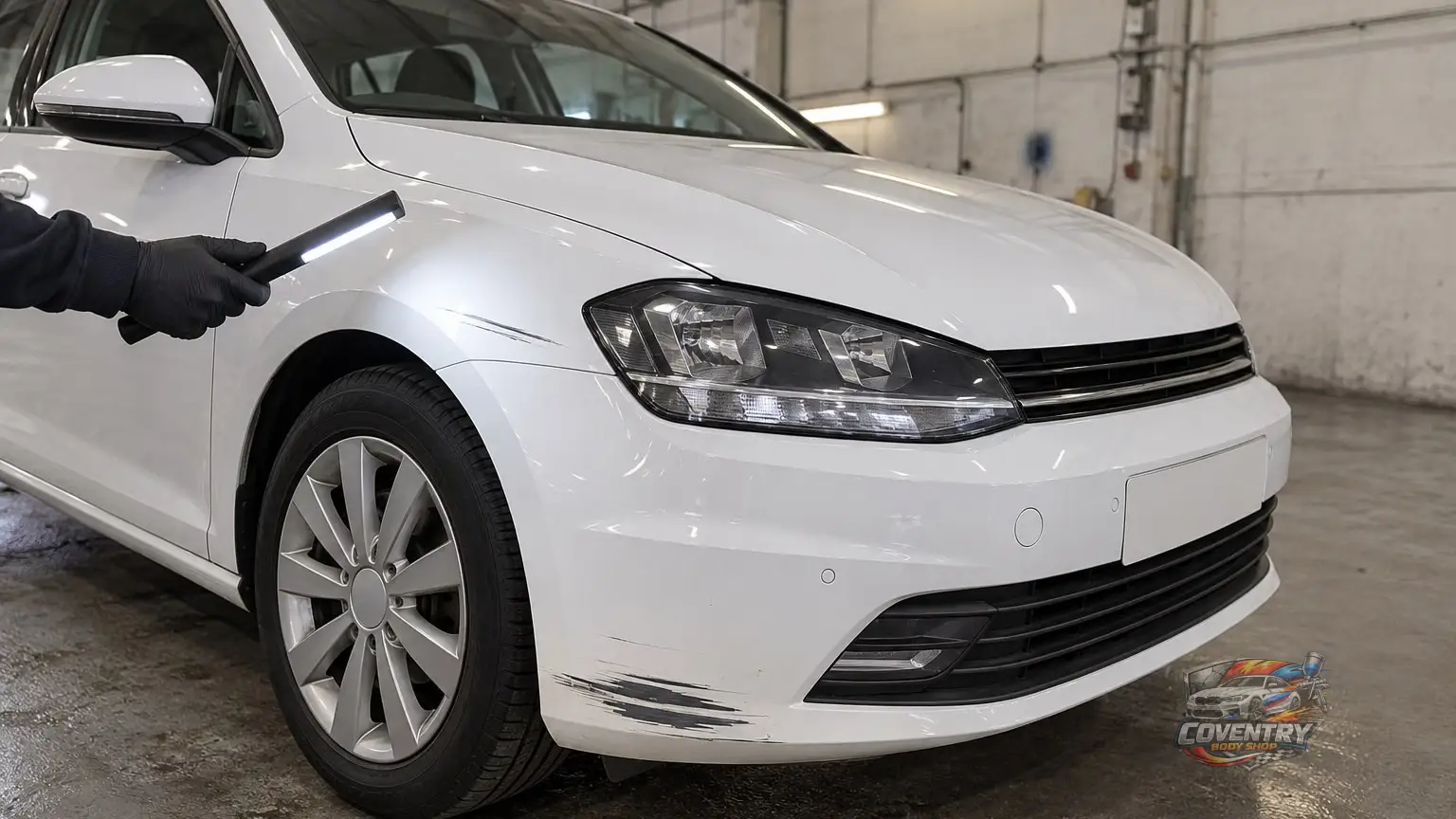
When it comes to car paint repair, understanding the various techniques available is crucial for achieving a flawless finish. As a seasoned bodyshop owner, I can tell you that the key to successful paint repair lies in the preparation and execution of each step. From scratch removal to full resprays, each technique requires a specific approach to ensure durability and aesthetic appeal.
One of the most common techniques is scratch removal & machine polish. This involves carefully sanding the affected area to remove surface imperfections, followed by polishing to restore the paint's original shine. For deeper scratches, a more intensive approach might be necessary, such as filling the scratch with a suitable compound before polishing.
For larger areas of damage, a full body respray might be the best option. This process involves stripping the existing paint, priming the surface, applying multiple coats of paint, and finishing with a protective lacquer. Each step requires precision and expertise to ensure a seamless finish that matches the original factory standards.
It's also important to consider the paint system used. High-quality paints not only provide a better finish but also offer greater resistance to environmental factors. As a rule of thumb, always opt for OEM-standard paints to ensure longevity and colour accuracy.
Cost Considerations for Car Resprays in the UK
When discussing the cost of car resprays in the UK, several factors come into play. The size of the area to be resprayed, the type of paint used, and the complexity of the job all influence the final price. On average, a full body respray can range from £1,000 to £5,000, depending on these variables.
For smaller jobs, such as a bumper respray, costs are significantly lower, often ranging between £200 and £500. This is due to the reduced amount of materials and labour required. However, it's essential to ensure that the bodyshop uses high-quality materials and follows industry standards to avoid future issues.
Another cost-effective option for minor damage is SMART repair. This technique focuses on repairing only the damaged area, rather than the entire panel, which can save both time and money. It's ideal for minor dents and scratches, providing a quick and efficient solution.
Ultimately, the key to managing costs is to obtain a detailed quote from a reputable bodyshop. Ensure that the quote includes all necessary steps, from preparation to finishing, to avoid unexpected expenses. Remember, investing in quality repairs can prevent further damage and maintain the vehicle's value.
The Importance of Colour Matching in Paint Repairs
Colour matching is a critical aspect of any paint repair job. Achieving a perfect match ensures that the repaired area blends seamlessly with the rest of the vehicle, maintaining its aesthetic appeal. In the UK, bodyshops often use advanced colour matching technology to achieve this precision.
Manufacturer paint codes are the starting point for any colour matching process. These codes provide the exact formula for the vehicle's original paint, allowing technicians to mix a matching colour. However, factors such as paint ageing and environmental exposure can affect the final appearance, making it necessary to adjust the formula accordingly.
At our bodyshop, we utilise spectrophotometers to analyse the vehicle's paint and create a precise match. This technology measures the colour and gloss level, ensuring that the new paint blends perfectly with the existing finish. Additionally, we conduct test sprays to verify the match before applying the paint to the vehicle.
Proper colour matching not only enhances the vehicle's appearance but also plays a role in maintaining its resale value. Mismatched paint can be a red flag for potential buyers, indicating previous damage or poor-quality repairs. Therefore, it's crucial to choose a bodyshop with a proven track record in colour matching.
Quality Control in Car Paint Repairs
Ensuring quality control in car paint repairs is essential for delivering a durable and visually appealing finish. At our bodyshop, we adhere to stringent quality standards throughout the repair process, from preparation to final inspection.
The first step in quality control is thorough surface preparation. This involves cleaning the area, removing any rust or contaminants, and sanding the surface to create a smooth base for the paint. Proper preparation is crucial for ensuring paint adhesion and preventing future issues such as peeling or bubbling.
Once the surface is prepared, we apply a primer to enhance paint adhesion and protect the underlying material. The primer is carefully selected based on the type of paint and the vehicle's material, ensuring compatibility and durability.
After the primer has cured, we apply the paint in multiple thin coats, allowing each layer to dry before applying the next. This technique ensures even coverage and a smooth finish. The final step is applying a clear lacquer, which provides a protective layer and enhances the paint's gloss.
Throughout the process, we conduct regular inspections to ensure each step meets our quality standards. This includes checking for colour accuracy, surface smoothness, and overall finish. By maintaining strict quality control, we can guarantee a repair that not only looks great but also stands the test of time.
Workshop-Level Insights: Priming, Blending, and Curing
In the world of car paint repair, the techniques of priming, blending, and curing are fundamental to achieving a professional finish. Each step requires careful attention to detail and a thorough understanding of the materials involved.
Priming is the first step in the painting process, providing a base for the paint to adhere to. The choice of primer depends on the type of paint and the material of the vehicle's body. For instance, plastic components require a different primer than metal parts to ensure proper adhesion and flexibility.
Blending is a technique used to seamlessly integrate the new paint with the existing finish. This involves gradually feathering the new paint into the surrounding area, creating a smooth transition that is virtually undetectable. Blending is particularly important when dealing with partial panel repairs, as it prevents noticeable lines or colour discrepancies.
Curing is the final step in the painting process, allowing the paint to harden and achieve its full durability. This can be done naturally or accelerated using heat lamps or spray booths. Proper curing is essential for ensuring the paint's longevity and resistance to environmental factors.
At our bodyshop, we follow industry best practices for each of these steps, ensuring a high-quality finish that meets both aesthetic and functional standards. By understanding the intricacies of priming, blending, and curing, we can deliver repairs that not only look great but also last for years to come.
Durability Factors in Vehicle Paint Protection
Protecting the durability of vehicle paint is a key concern for any car owner. A high-quality paint job not only enhances the vehicle's appearance but also provides a protective barrier against environmental damage.
One of the most effective ways to protect vehicle paint is through the application of a clear coat or lacquer. This layer acts as a shield, protecting the paint from UV rays, moisture, and pollutants. It's important to choose a lacquer that is compatible with the paint system used, as this ensures optimal adhesion and protection.
Another consideration is the use of paint protection films or ceramic coatings. These products provide an additional layer of protection, enhancing the paint's resistance to scratches and chemical damage. While these options can be more expensive, they offer long-term benefits by preserving the vehicle's finish.
Regular maintenance is also crucial for maintaining paint durability. This includes washing the vehicle regularly to remove dirt and contaminants, as well as applying wax or sealant to enhance the paint's protective properties. By taking these steps, car owners can extend the life of their vehicle's paint and maintain its value.
At our bodyshop, we offer a range of paint touch-up and protection services to help car owners keep their vehicles looking their best. Whether it's a minor touch-up or a comprehensive protection package, we have the expertise to deliver results that meet the highest standards.
Insurance Considerations for Accident Repairs
When it comes to accident repairs, understanding the insurance process is crucial for ensuring a smooth and hassle-free experience. In the UK, many bodyshops are insurance-approved, meaning they meet the standards set by insurance companies for quality and service.
If your vehicle has been involved in an accident, the first step is to contact your insurance provider to report the incident. They will guide you through the claims process and provide a list of approved bodyshops for the repair work. Choosing an insurance-approved bodyshop ensures that the repairs are carried out to the required standards and that the costs are covered by your policy.
It's important to note that you are not obligated to use the bodyshop recommended by your insurer. You have the right to choose your preferred repairer, as long as they meet the necessary standards. However, using an approved bodyshop can simplify the process and provide peace of mind that the repairs are covered.
At our bodyshop, we are proud to be an insurance-approved repairer, offering a range of services from panel dent repair & respray to full accident repairs. Our team works closely with insurance companies to ensure a seamless process, from initial assessment to final inspection.
By understanding the insurance process and choosing a reputable repairer, you can ensure that your vehicle is restored to its pre-accident condition, maintaining its safety and value.
Choosing the Right Bodyshop for Your Paint Repair Needs
Selecting the right bodyshop for your car paint repair needs is essential for achieving a high-quality finish that meets your expectations. With so many options available, it's important to consider several factors before making your decision.
Firstly, look for a bodyshop with a proven track record in paint repairs. Check for customer reviews and testimonials to gauge the quality of their work and customer service. A reputable bodyshop will have a portfolio of completed projects and satisfied clients.
Next, consider the range of services offered. A comprehensive bodyshop should provide a variety of repair options, from minor paintless dent repair to full resprays. This ensures that they can handle any repair job, regardless of size or complexity.
It's also important to inquire about the materials and techniques used. High-quality paints and advanced colour matching technology are essential for achieving a flawless finish. Additionally, ensure that the bodyshop follows industry standards and regulations, such as HSE spray booth compliance and BSI refinishing standards.
Finally, consider the level of customer service provided. A good bodyshop will offer clear communication, detailed quotes, and a warranty on their work. This demonstrates their commitment to quality and customer satisfaction.
By taking these factors into account, you can choose a bodyshop that not only meets your repair needs but also provides a positive experience from start to finish. If you're ready to discuss your car paint repair needs, contact us today for a consultation and see how we can help restore your vehicle's appearance.
Comments (0)
No comments yet.
Leave your thought