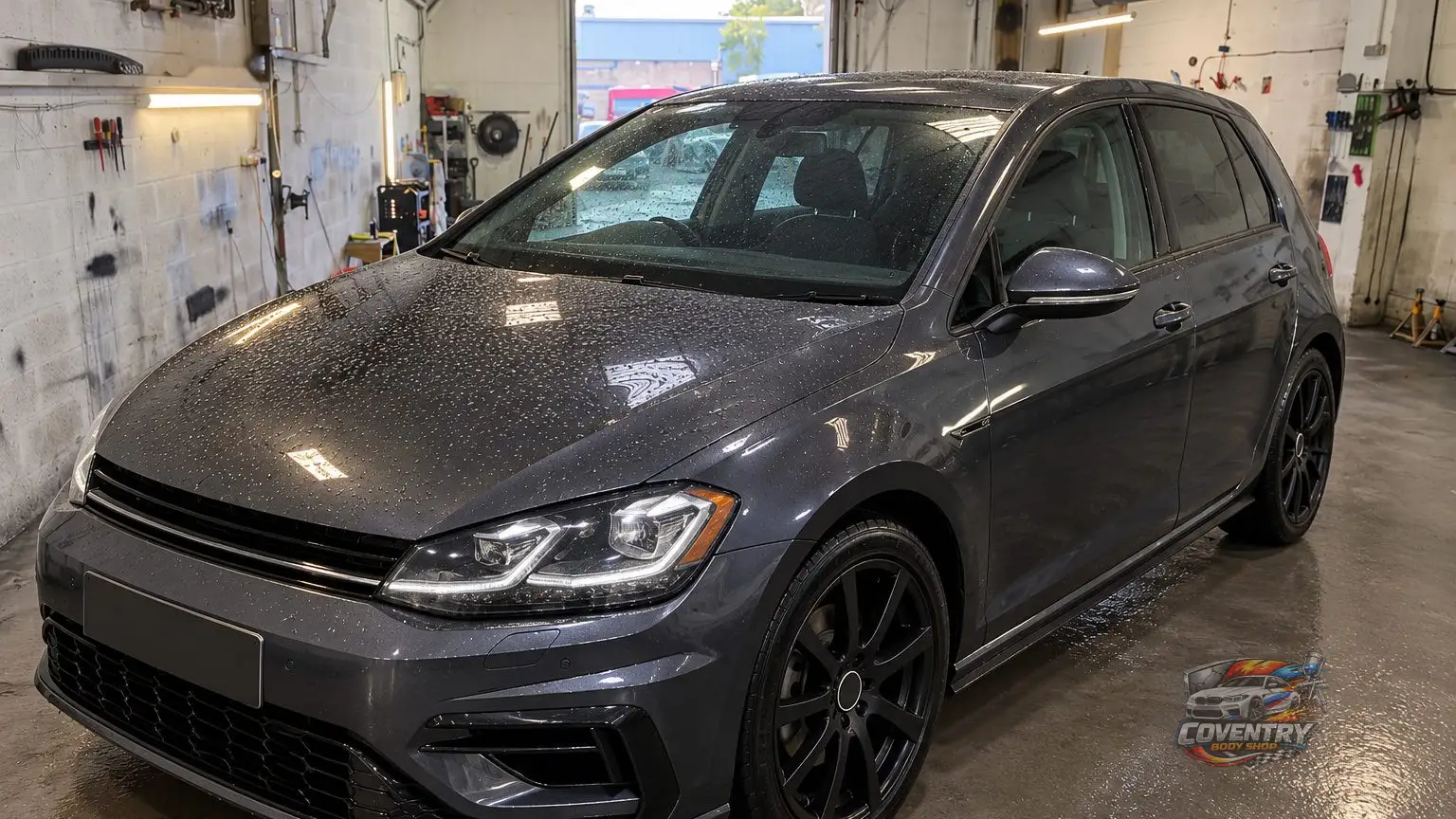
The Importance of Automotive Paint Protection
As a seasoned bodyshop owner, I can attest to the critical role that paint protection plays in maintaining the aesthetic and structural integrity of your vehicle. Automotive paint protection is not just about keeping your car looking shiny and new; it's about safeguarding the paintwork from environmental damage, minor scratches, and the inevitable wear and tear that comes with regular use.
Paint protection acts as a barrier against harmful UV rays, road debris, bird droppings, and even acid rain. These elements can cause the paint to fade, chip, or oxidise over time. By investing in quality paint protection, you ensure that your vehicle retains its value and appearance for years to come.
In the UK, where weather conditions can be unpredictable, paint protection becomes even more crucial. The constant exposure to rain, snow, and road salt can accelerate paint degradation. A robust paint protection system can mitigate these effects, providing peace of mind and reducing the need for frequent touch-ups or resprays.
Moreover, with the rise of advanced paint protection technologies, such as ceramic coatings and paint protection films, vehicle owners now have more options than ever to choose from. These solutions offer superior durability and resistance, making them a worthwhile investment for any car enthusiast.
For those considering a colour change, it's important to note the DVLA's regulations regarding vehicle colour changes. Proper documentation and notification are required to ensure compliance and avoid potential legal issues.
Understanding the Paint Protection Process
The paint protection process involves several meticulous steps, each designed to enhance the durability and appearance of your vehicle's paintwork. As an experienced professional, I can guide you through these steps to ensure optimal results.
Surface Preparation: Before applying any protective coating, the vehicle's surface must be thoroughly cleaned and decontaminated. This involves washing, clay bar treatment, and possibly paint correction to remove any existing imperfections.
Priming: Once the surface is clean, a primer may be applied to ensure better adhesion of the protective coating. This step is crucial for long-lasting results and is often overlooked by less experienced technicians.
Application of Protective Coating: Depending on the chosen protection system, this could involve applying a ceramic coating, wax, or paint protection film. Each has its own application method and curing time, which must be adhered to for optimal effectiveness.
Curing: After application, the coating needs time to cure and bond with the paint surface. This process can vary from a few hours to several days, depending on the product used.
Quality Control: A thorough inspection is conducted to ensure even application and complete coverage. Any inconsistencies are addressed immediately to maintain high standards.
By following these steps, you can achieve a finish that not only looks stunning but also provides long-lasting protection. For those interested in maintaining their vehicle's pristine condition, our Scratch Removal & Machine Polish service can complement your paint protection efforts.
Choosing the Right Paint Protection System
With a plethora of paint protection options available, selecting the right system for your vehicle can be daunting. Each option has its own set of benefits and considerations, and understanding these can help you make an informed decision.
Ceramic Coatings: Known for their durability and hydrophobic properties, ceramic coatings provide a hard, protective layer that repels water and contaminants. They are ideal for those seeking long-term protection with minimal maintenance.
Paint Protection Film (PPF): This clear film offers excellent protection against physical damage such as stone chips and scratches. It's particularly popular for high-impact areas like bumpers and bonnets.
Wax and Sealants: While not as durable as ceramic coatings or PPF, waxes and sealants offer a cost-effective solution for enhancing gloss and providing a temporary protective layer.
When choosing a paint protection system, consider factors such as your driving habits, environmental conditions, and budget. Consulting with a professional bodyshop can provide valuable insights tailored to your specific needs.
For those looking to address minor damages before applying paint protection, our Smart Repair service offers efficient solutions for minor dents and scratches.
Workshop-Level Insights: Application Techniques
Applying paint protection requires precision and expertise. As a professional bodyshop owner, I can share some workshop-level insights into the techniques that ensure a flawless finish.
Temperature and Humidity Control: The application environment plays a crucial role in the success of paint protection. Maintaining optimal temperature and humidity levels in the spray booth is essential to prevent issues such as bubbling or uneven curing.
Equipment and Tools: Using high-quality equipment, such as spray guns and applicators, ensures even distribution of the protective coating. Regular maintenance of these tools is vital to prevent contamination and achieve consistent results.
Layering Techniques: Depending on the product, multiple layers may be applied to enhance durability and coverage. Each layer must be applied with precision, allowing adequate curing time between applications.
Attention to Detail: Every inch of the vehicle must be meticulously covered, including hard-to-reach areas. This attention to detail is what sets professional applications apart from DIY attempts.
By adhering to these techniques, you can achieve a professional-grade finish that not only looks impressive but also stands the test of time. For those interested in a complete transformation, our Full Body Respray service offers a comprehensive solution.
Maintaining Your Paint Protection
Once your vehicle is equipped with paint protection, proper maintenance is key to preserving its effectiveness and appearance. Here are some expert tips for maintaining your paint protection system:
- Regular Washing: Use a pH-neutral car shampoo and a soft microfiber cloth to wash your vehicle regularly. This helps remove dirt and contaminants without damaging the protective layer.
- Avoid Harsh Chemicals: Steer clear of abrasive cleaners and harsh chemicals that can degrade the protective coating.
- Periodic Inspections: Regularly inspect your vehicle for any signs of damage or wear. Addressing issues promptly can prevent further deterioration.
- Professional Touch-Ups: For minor damages, consider professional touch-ups to maintain the integrity of the paint protection. Our Paint Touch-Up service can help keep your vehicle in top condition.
By following these maintenance tips, you can extend the lifespan of your paint protection and keep your vehicle looking its best.
Understanding the Costs Involved
The cost of paint protection can vary significantly based on the type of protection chosen, the size of the vehicle, and the level of expertise required. Here's a breakdown of potential costs:
Ceramic Coatings: These typically range from £300 to £1,000, depending on the brand and application complexity. While the initial cost is higher, the long-term benefits often justify the investment.
Paint Protection Film: The cost for PPF can range from £500 to £2,000, with full vehicle coverage being the most expensive option. However, the superior protection against physical damage makes it a popular choice for many.
Wax and Sealants: These are the most budget-friendly options, with prices ranging from £50 to £200. While they offer temporary protection, they require more frequent reapplications.
It's important to weigh the costs against the benefits and longevity of each option. Consulting with a professional bodyshop can provide a clearer understanding of what to expect based on your specific needs and budget.
Quality Control and Longevity Considerations
Ensuring the longevity of your paint protection system requires stringent quality control measures. As a professional bodyshop, we adhere to the highest standards to deliver exceptional results.
Product Selection: We carefully select products that meet OEM standards and BSI refinishing requirements. This ensures compatibility with your vehicle's existing paintwork and maximises durability.
Application Standards: Our technicians are trained to follow precise application protocols, ensuring consistent quality across all projects.
Post-Application Inspections: After application, a thorough inspection is conducted to verify the quality and coverage of the protective coating. Any discrepancies are addressed immediately to maintain our high standards.
By implementing these quality control measures, we ensure that your paint protection system not only meets but exceeds your expectations. For those interested in enhancing their vehicle's appearance, our Alloy Wheel Refurbishment service offers a perfect complement to paint protection.
Conclusion: Protecting Your Investment
Investing in automotive paint protection is a wise decision for any vehicle owner. It not only enhances the appearance of your car but also protects it from the elements, preserving its value over time. By understanding the various options available and the processes involved, you can make an informed decision that aligns with your needs and budget.
For those ready to take the next step in protecting their vehicle, I invite you to contact our professional bodyshop for a consultation. Our team of experts is here to provide tailored advice and high-quality services that ensure your vehicle remains in pristine condition for years to come.
Leave a Comment
Comments
No comments yet.