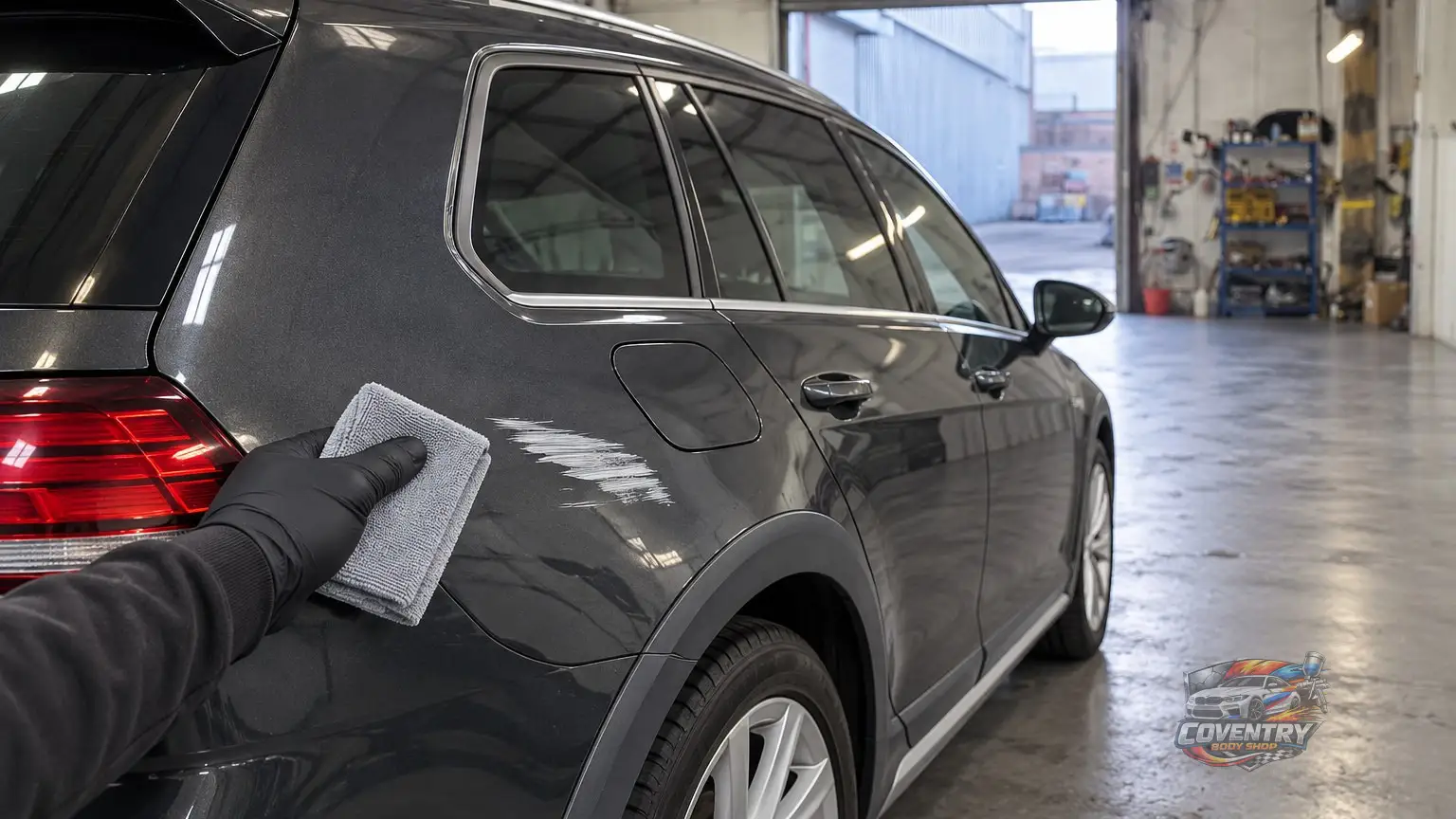
Understanding Paint Transfer and Its Causes
Paint transfer occurs when the paint from another object, often another vehicle, is transferred onto your car's surface. This typically happens during minor collisions or scrapes, where the friction between the two surfaces causes the paint to adhere to your car. Understanding the nature of paint transfer is crucial in determining the right approach for removal.
In the UK, where narrow roads and tight parking spaces are common, paint transfer incidents are not unusual. The key to addressing this issue lies in recognising the type of paint involved and the extent of the damage. For instance, if the transferred paint is from a standard automotive finish, it may be easier to remove compared to industrial paints used on barriers or fences.
Before attempting any removal, it's essential to assess the underlying paintwork of your vehicle. If the original paint is compromised, a professional car scratch repair might be necessary to restore the finish. Additionally, understanding the paint code of your vehicle, which can be found on the manufacturer's plate, ensures that any touch-up work matches the original colour precisely.
Initial Assessment and Preparation
Before diving into the removal process, a thorough assessment is crucial. Begin by cleaning the affected area with a gentle automotive shampoo and water. This step removes any dirt or debris that could cause further scratches during the removal process. Once clean, dry the area with a soft, lint-free cloth.
Next, inspect the paint transfer closely. Determine whether the transfer is superficial or if it has penetrated the clear coat. A superficial transfer, which sits on top of the clear coat, is generally easier to address. However, if the paint has penetrated deeper, more advanced techniques may be required.
Preparation also involves gathering the necessary tools and materials. For most paint transfer cases, you'll need a microfibre cloth, automotive polish, and a dual-action polisher. For more stubborn transfers, consider using a clay bar or a specialised paint transfer removal product. Always ensure that your workspace is well-ventilated and compliant with HSE spray booth regulations if using any chemical products.
Step-by-Step Paint Transfer Removal
Once the area is prepared, you can begin the removal process. Start with a clay bar, which is effective for lifting superficial paint transfer without damaging the underlying paint. Lubricate the area with a clay lubricant and gently rub the clay bar over the transfer. This method is particularly useful for small, isolated spots.
If the clay bar doesn't fully remove the transfer, proceed with an automotive polish. Apply a small amount of polish to a microfibre cloth and work it into the affected area using circular motions. The polish acts as a mild abrasive, helping to break down the transferred paint without harming the clear coat.
For larger or more stubborn transfers, a dual-action polisher can be employed. This tool provides consistent pressure and motion, ensuring an even finish. Apply the polish to the pad of the polisher and work over the area, being careful not to overheat the paint. Regularly check your progress to avoid removing too much of the original paint.
Quality Control and Finishing Touches
After removing the paint transfer, it's vital to inspect the area for any remaining imperfections. Under good lighting, check for any residual marks or unevenness. If necessary, repeat the polishing process until the surface is smooth and consistent.
Once satisfied with the removal, apply a high-quality car wax or sealant to protect the area. This step not only enhances the shine but also provides a protective layer against future incidents. Consider using a product that offers UV protection to prevent fading and maintain the vehicle's appearance.
Quality control checks should also include ensuring that the colour match is seamless, especially if any touch-up paint was used. In the UK, maintaining the original colour is crucial for insurance purposes and resale value. If a colour change was necessary, ensure compliance with DVLA regulations regarding colour changes.
Professional Techniques for Stubborn Transfers
In some cases, paint transfer may be too stubborn for DIY methods. This is where professional techniques come into play. At our bodyshop, we utilise advanced methods such as SMART repair and machine polishing to address challenging paint transfers.
SMART repair, or Small to Medium Area Repair Technology, is ideal for minor dents and scratches. This technique focuses on the affected area, minimising the need for a full respray. Our technicians are trained to blend the repair seamlessly with the surrounding paintwork, ensuring a flawless finish.
For more extensive damage, a panel dent repair and respray might be necessary. This involves removing the panel, repairing any dents, and respraying the entire panel to match the original paint. Our workshop adheres to BSI refinishing standards, guaranteeing a high-quality and durable finish.
If you're dealing with a particularly challenging paint transfer, consider booking a consultation with our experts. We offer a range of services, including Smart Repair (Minor Dents & Scratches) and Panel Dent Repair & Respray, to restore your vehicle to its former glory.
Choosing the Right Paint System
When addressing paint transfer, selecting the right paint system is crucial for achieving a durable and aesthetically pleasing result. At our bodyshop, we prioritise using OEM-standard paint systems that match the original specifications of your vehicle.
OEM, or Original Equipment Manufacturer, paint systems ensure that the colour, texture, and finish are consistent with the manufacturer's standards. This is particularly important for maintaining the vehicle's value and ensuring that any repairs are covered under warranty.
We also consider the longevity and durability of the paint system. Factors such as UV resistance, flexibility, and chemical resistance are evaluated to ensure that the repair withstands the test of time. Our team is well-versed in the latest paint technologies, allowing us to provide a finish that not only looks great but also lasts.
For those interested in enhancing their vehicle's appearance further, we offer additional services such as Full Body Respray and Car Body Paint (Single Panel). These options provide a comprehensive solution for those looking to refresh their vehicle's entire look.
Preventative Measures and Maintenance
Preventing paint transfer is always preferable to dealing with the aftermath. Simple measures such as careful parking and maintaining a safe distance from other vehicles can significantly reduce the risk of paint transfer incidents.
Regular maintenance also plays a crucial role in preserving your vehicle's paintwork. Routine washing and waxing help protect the paint from environmental factors such as UV rays, bird droppings, and road salt. Additionally, consider investing in a vehicle paint protection film for high-risk areas like bumpers and door edges.
For ongoing maintenance, our Scratch Removal & Machine Polish service is an excellent option. This service not only addresses minor scratches but also enhances the overall appearance of your vehicle, keeping it looking its best.
When to Seek Professional Help
While many paint transfer cases can be handled at home, there are situations where professional intervention is necessary. If the transfer has caused significant damage to the clear coat or if the original paintwork is compromised, it's best to consult with a professional bodyshop.
Our team is equipped to handle a wide range of paint repair needs, from minor touch-ups to complete resprays. We understand the intricacies of paint systems and are committed to delivering results that meet the highest standards of quality and durability.
For those unsure about the extent of the damage, we offer consultations to assess the situation and recommend the best course of action. Whether it's a simple Paint Touch-Up or a more involved repair, our experts are here to help.
If you're dealing with a paint transfer issue and need professional assistance, don't hesitate to reach out. Our team is ready to restore your vehicle's appearance and ensure it remains in top condition for years to come.
Conclusion: Restoring Your Vehicle's Pristine Finish
Removing paint transfer from your car is a task that requires patience, precision, and the right techniques. By following the steps outlined in this guide, you can effectively address paint transfer and restore your vehicle's pristine finish.
Whether you're tackling the job yourself or seeking professional help, understanding the process and choosing the right products are key to achieving a flawless result. Remember, maintaining your vehicle's paintwork not only enhances its appearance but also preserves its value.
If you're in need of expert assistance, our bodyshop offers a range of services tailored to meet your needs. From Bumper Repair to comprehensive resprays, we're here to ensure your vehicle looks its best. Contact us today to learn more about how we can help you maintain your car's beauty and integrity.
Leave a Comment
Comments
No comments yet.